UK Custom Packaging Trends for 2026: Sustainable & Innovative Materials for B2B Growth
February 20, 2026
The packaging ecosystem across the United Kingdom is undergoing its most radical structural, environmental, and technological transformation in decades. As we navigate through 2026, bespoke custom packaging has officially transcended its historic role as a passive protective container designed solely to transport manufactured goods safely from factory floors to consumer doorsteps.
What are the key UK custom packaging trends driving B2B growth in 2026?
Direct Answer: UK packaging trends in 2026 focus on strict adherence to the UK Plastic Packaging Tax (PPT), carbon-neutral FSC cardstock, mono-material recyclable structures, and bio-based barrier coatings. Businesses are moving away from multi-layer unrecyclable plastics to lightweight, high-density Kraft and water-based inks to lower courier fees and avoid legislative financial penalties.
Today, custom box architecture represents a core strategic growth engine that directly defines corporate brand equity, drives unboxing engagement, secures customer retention, and ensures strict regulatory compliance across the UK commercial landscape. Commercial enterprises operating in retail, e-commerce, healthcare, personal care, and industrial supply chains recognize that adopting sustainable packaging is no longer a secondary marketing luxury or optional CSR initiative—it is an absolute commercial imperative for brands aiming for market dominance and sustained profitability.
Modern UK consumers and commercial purchasing managers now demand complete supply chain transparency alongside visually compelling structural presentation. They expect brands to demonstrate genuine, verifiable environmental stewardship backed by third-party certified material sourcing and carbon-conscious manufacturing processes.
Utilizing engineered packaging solutions like certified biodegradable boxes, high-barrier compostable pouches, and fully recyclable UK packaging substrates enables forward-thinking companies to drastically curtail their operational carbon footprints while simultaneously strengthening their premium market positioning.
Whether your brand manufactures high-end organic cosmetics, artisanal bakery goods, luxury candles, or specialized vape consumables, your structural packaging choices directly reflect your core corporate values in an increasingly conscious and discerning 2026 marketplace.
Why Sustainable Packaging Is Mandatory for UK Commerce in 2026
Environmental sustainability within the UK commercial framework has rapidly evolved from a progressive branding ideal into a strictly enforced legal and operational requirement.
The aggressive enforcement of updated legislative mandates—most notably the UK Plastic Packaging Tax (PPT) rate of £223.69 per tonne for plastic packaging containing less than 30% recycled content, alongside Extended Producer Responsibility (EPR) regulations—has compelled commercial procurement teams to thoroughly re-evaluate their entire material supply chain. Under EPR guidelines, UK businesses are directly financially accountable for the end-of-life disposal and recycling processing costs of the packaging waste they introduce into the domestic market.
Failing to adapt to these strict environmental benchmarks subjects commercial brands to heavy statutory financial penalties, elevated municipal waste surcharges, and immediate public backlash from an increasingly environmentally vocal UK consumer base. Working alongside established eco packaging partners that supply certified recyclable, recycled, or home-compostable raw materials allows businesses to maintain high structural integrity and shock absorption while achieving total legal compliance.
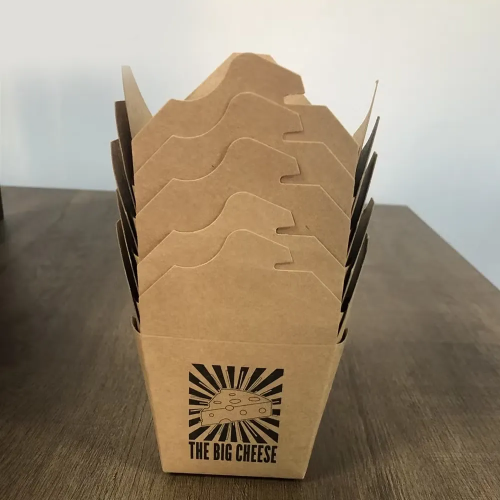
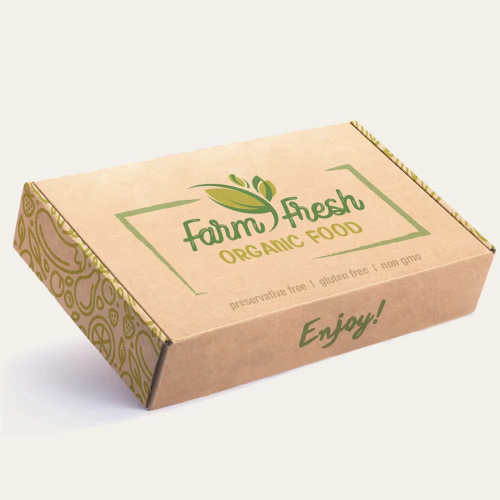
For instance, commercial bakeries utilizing customized bakery packaging boxes crafted from unbleached virgin Kraft preserve product warmth, absorb moisture, and prevent grease penetration while broadcasting an authentic, zero-waste brand ethos. Similarly, skincare and cosmetic brands deploying recyclable Custom Lotion Boxes seamlessly convert routine daily unboxing moments into lasting, emotionally resonant brand equity.
Material Science Matrix: Next-Gen Substrates & 2026 Technical Specifications
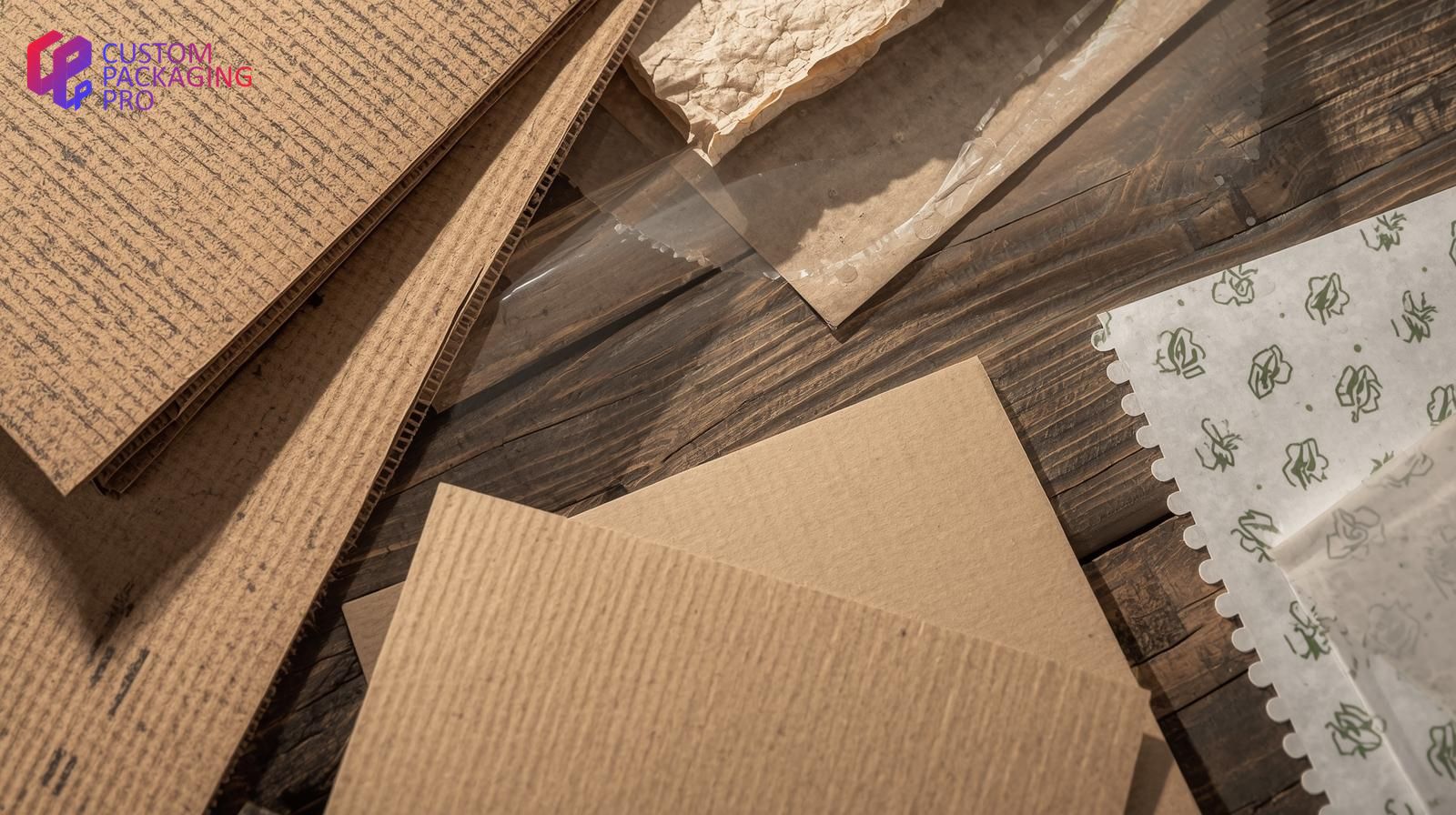
Selecting the optimal paperboard grade, fluting depth, and coating formula is critical for balancing structural compression resistance, high-definition print reproduction, dimensional weight optimization, and legislative compliance under UK waste management directives.
| Substrate Innovation |
Technical Specs & Certification |
Primary Commercial Use Case |
Environmental & Regulatory Advantage |
| Unbleached Kraft Board |
250–400 GSM, 100% Post-Consumer Waste (PCW), FSC Mix |
Bakery goods, organic cosmetics, & eco-friendly dry foods |
100% home-compostable, high tear resistance, completely PPT-exempt |
| Solid Bleached Sulfate (SBS) |
300–450 GSM, Hydro-Aqueous Coated, FSC Certified |
Luxury perfume boxes, makeup packaging, & high-end skincare |
Ultra-bright print surface, 100% curb-side recyclable, zero plastic lamination |
| E-Flute Corrugated Board |
1.1mm – 1.5mm wall thickness, 90% recycled linerboard |
E-commerce subscription boxes & retail transit mailers |
High Edge Crush Test (ECT) rating, optimized for UK Royal Mail parcel dimensions |
| Bio-PE Barrier Films |
Sugarcane-derived ethanol poly-laminate (80–120 microns) |
Mylar barrier bags, vape liquids, nutraceuticals |
100% renewable plant origin, high oxygen & moisture isolation, carbon-negative |
Cutting-Edge Materials Shaping UK Packaging Design
Packaging material engineering in 2026 has focused heavily on structural performance efficiency, barrier isolation, and circular economic principles.
Conventional petroleum-based plastic laminates and non-recyclable multi-layer foil composites are rapidly being systematically phased out. In their place, FSC-certified cardstocks, structural paperboard fluting, and advanced bio-based barrier coatings have taken center stage. This structural evolution allows beauty and personal care manufacturers to engineer high-end foundation packaging and luxury makeup packaging without compromising on sophisticated visual aesthetics, foil accents, or structural durability.
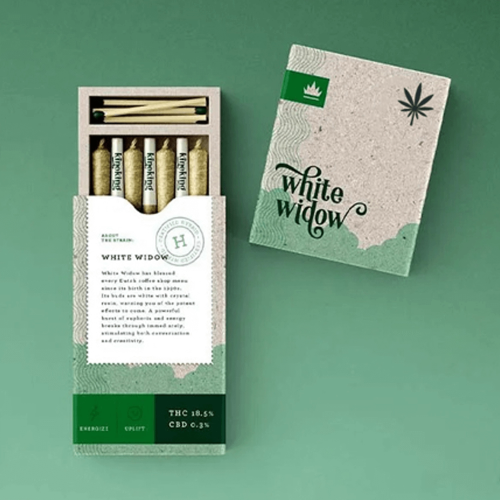
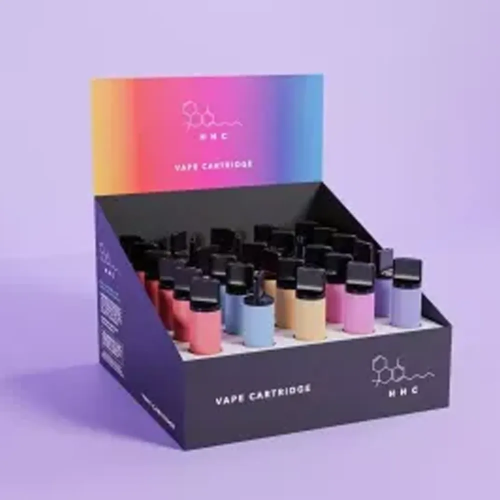
Simultaneously, fully compostable cellulose barrier films and sugarcane-derived bio-plastics are being deployed across specialized product sectors such as custom vape and e-liquid boxes. These materials secure total chemical and liquid stability while maintaining zero long-term landfill impact. To optimize commercial performance while maintaining environmental integrity, leading UK brands are aligning their product lines around four core material innovation pillars:
- Ultra-Lightweight High-Density Kraft: Engineering reduced grammage boards that deliver superior bursting strength while minimizing overall volumetric freight weight for transit.
- Soy and Vegetable-Based Inks: Replacing traditional solvent-based printing inks with non-toxic, vegetable-derived alternatives that eliminate volatile organic compounds (VOCs) and simplify paper recycling de-inking processes.
- FSC & PEFC Certified Supply Chains: Guaranteeing that 100% of virgin wood fibers are harvested exclusively from sustainably managed, carbon-neutral, and ethically audited forest ecosystems.
- Mono-Material Packaging Architecture: Designing whole box assemblies—including outer cartons, inner structural dividers, and protective sleeves—from a single material origin to enable effortless 100% curb-side recycling for end consumers.
Innovative Structural Engineering That Enhances Customer Engagement
How does minimalist structural packaging reduce operational overhead for UK businesses?
Direct Answer: Minimalist structural packaging utilizes precision-engineered dielines and self-locking tabs that eliminate the need for secondary adhesives, plastic tapes, or heavy void fills. By using less raw material and optimizing box footprints, UK companies lower production costs, accelerate warehouse assembly speeds, and decrease parcel volumetric weight for postal transit.
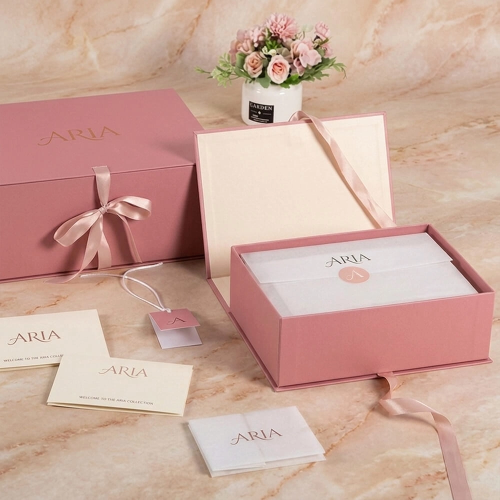
Structural packaging design in 2026 is no longer viewed as just a static canvas for promotional artwork—it functions as a dynamic, interactive touchpoint that defines consumer user experience (UX). Modern UK design trends prioritize refined minimalism, functional ergonomics, effortless unboxing mechanics, and strategic raw material conservation. Clean geometric box shapes, tactile surface textures, and unvarnished raw paperboard finishes communicate authentic corporate sophistication while directly decreasing material consumption per unit manufactured.
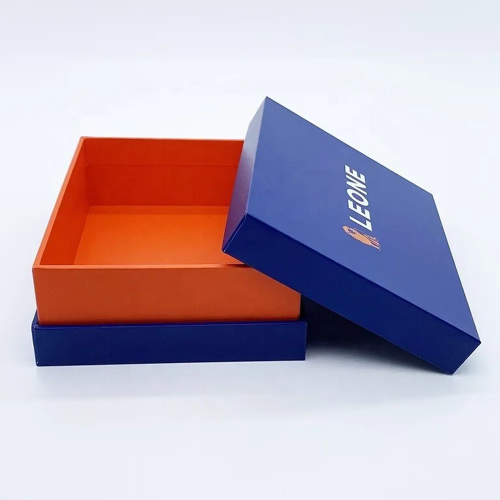
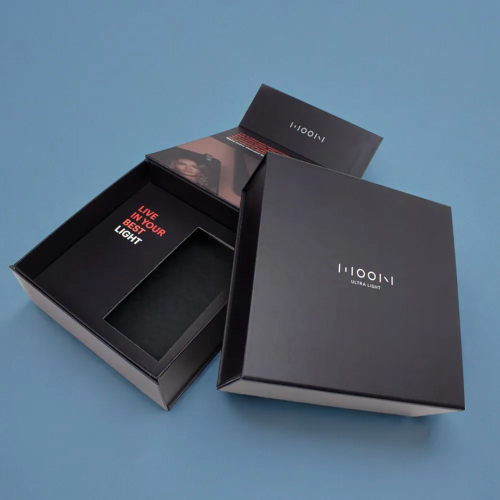
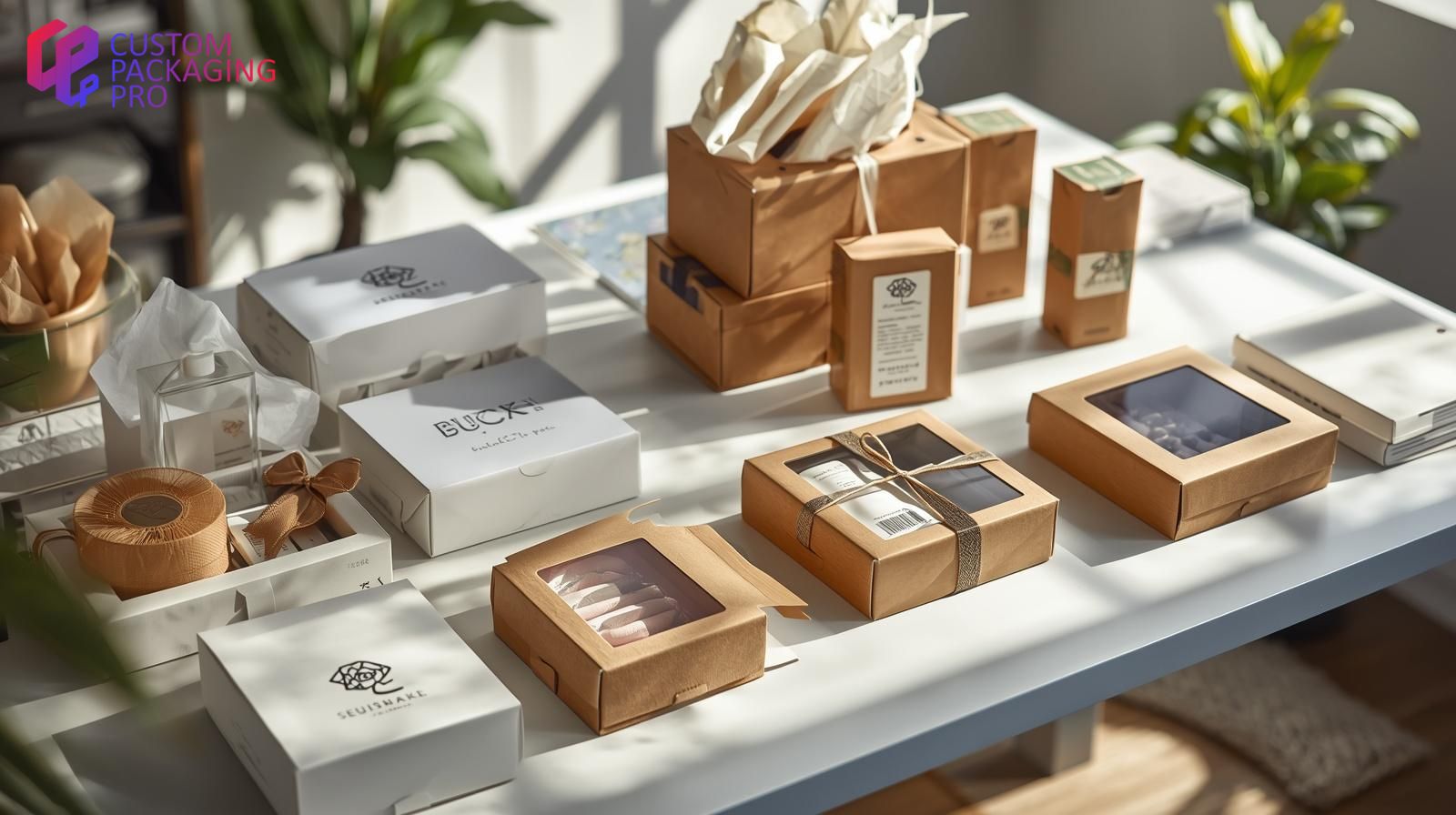
For example, custom tray and sleeve box designs provide a sophisticated dual-stage unboxing presentation while utilizing up to 30% less raw paperboard than traditional heavy rigid boxes. Commercial brands are leveraging high-precision digital and offset printing presses to craft striking retail visuals using non-toxic inks on Custom Printed Toy Boxes Packaging. Other structural design innovations gaining rapid traction across UK high street retail and e-commerce distribution channels include the following:
- Die-Cut Acetate-Free Windows: Replacing non-recyclable plastic window films in custom bakery packaging with clear cellulose membranes derived from natural wood pulp.
- Integrated Structural Dividers: Engineering custom tab-locking internal partitions that cradle delicate glass jars or boutique retail products inside custom playing card packaging boxes without requiring petroleum foam inserts.
- Tactile Embossing & Blind Debossing: Adding multi-sensory depth to luxury perfume boxes UK and lip balm packaging using precision heat-stamping dies rather than non-recyclable synthetic foil laminates.
- Tamper-Evident Self-Locking Tabs: Integrating micro-perforated structural locks into shipping mailers that safeguard contents during transit without requiring single-use plastic adhesive tape.
Financial Planning: Balancing Cost, Structural Creativity, and Sustainability
A persistent misconception among UK business executives is that adopting eco-friendly, custom-engineered packaging inevitably inflates unit costs and erodes operating margins. In reality, through strategic structural engineering, volumetric footprint optimization, and standardized dielines, UK enterprises frequently cut total logistics overhead while dramatically upgrading their environmental credentials.
Commercial brands effectively manage unit costs by standardizing their master shipping box dimensions across multiple product lines, adopting toolless self-locking dielines, and eliminating expensive secondary void fill materials like bubble wrap or plastic foam peanuts. For instance, skincare and cosmetic enterprises utilizing printed carton packaging or eco-friendly skincare packaging wholesale leverage significant volume discounts by running unified paperboard batches.
Sourcing directly from domestic, UK-based eco-friendly packaging suppliers further eliminates expensive overseas container freight fees, mitigates port delay risks, and dramatically slashes corporate Scope 3 carbon emissions. Haircare brands can engineer exceptionally durable, visually striking custom hair color boxes from 100% post-consumer recycled paperboard without straining strict production budgets.
Primary UK Packaging Trends Strategy Matrix for 2026
| Market Trend |
Structural Implementation |
Target Retail Sector |
Commercial Outcome |
| Biodegradable Boxes |
EN 13432 certified compostable boards with bio-aqueous barrier coatings |
Fresh food, artisanal bakeries, & organic cosmetics |
Zero landfill contribution, strong consumer goodwill, 100% PPT tax exemption |
| Mono-Material Recyclables |
100% paper-based box, handle, and internal insert structural alignment |
E-commerce, subscription boxes, & dry consumer goods |
100% curb-side recycling compatibility, simplified UK waste stream processing |
| Minimalist Luxury |
Unvarnished matte textures with blind debossing and crisp vector typography |
Luxury perfumes, apparel, & boutique corporate gifts |
Elevated perceived value, reduced ink coverage costs, ultra-premium shelf presence |
| Tailored D2C Mailers |
E-flute corrugated boxes sized specifically to Royal Mail parcel templates |
Direct-to-consumer e-commerce brands |
Reduced postage expenses, zero damage returns, enhanced unboxing UX |
E-Commerce & Logistics: Optimizing Dimensional Weight for UK Carriers
In the direct-to-consumer (D2C) e-commerce sector across the UK, custom packaging design plays an instrumental role in controlling shipping expenses. UK logistics carriers—including Royal Mail, DPD, Evri, and DHL—calculate freight costs based on Dimensional Weight (DIM weight) rather than actual dead weight alone. Shipping products in oversized stock cartons filled with synthetic void fill penalizes businesses with higher shipping tariff brackets and increases transit damage risks caused by product movement.
Engineering custom-fitted corrugated boxes eliminates excess void space, allowing parcels to fall into smaller, more cost-effective postal tiers (such as Royal Mail Large Letter or Small Parcel limits). Furthermore, right-sized packaging maximizes pallet density during freight consolidation, fitting up to 25% more units per transit vehicle. This operational optimization directly slashes fuel consumption, lowers carbon emissions per unit delivered, and provides a significant competitive edge for UK online retailers operating in fast-paced commercial sectors.
Practical Action Plan for Emerging UK Startups & Growing SMEs
Emerging UK businesses and growing regional brands can seamlessly adopt progressive, eco-friendly custom packaging without requiring immense upfront capital investment. Transitioning product packaging to versatile, fully recyclable paper-based packaging is the single most effective action for immediately reducing corporate carbon impacts and avoiding plastic tax liabilities. Partnering directly with FSC-accredited UK packaging manufacturers guarantees that every board batch complies with rigorous ethical forestry and legal environmental standards.
Startups can begin by ordering short-run prototype production batches to conduct real-world market testing, allowing them to gather direct customer feedback regarding structural durability and unboxing satisfaction before committing to large-scale production. Explicitly displaying eco-credentials directly on outer packaging—such as printing FSC logos, recycling instructions, and soy-ink markers—builds immediate trust and transparency with conscious UK shoppers.
Leveraging versatile structural styles like custom tray and sleeve boxes delivers an elevated presentation, creating a high-end unboxing experience while maintaining strict control over per-unit packaging spend.
Lead the UK Market with Sustainable Innovation in 2026
As we navigate 2026, sustainable custom packaging has firmly established itself as far more than a temporary industry trend—it is a foundational pillar of modern commercial strategy, brand building, and financial risk management. From artisanal Custom Bakery Packaging Boxes to high-barrier specialty pouches, selecting the proper structural packaging architecture enhances retail shelf presence, strengthens customer loyalty, and guarantees complete compliance with UK environmental laws.
Partner with Custom Packaging Pro UK today to engineer high-impact, eco-conscious custom packaging tailored specifically to your product line and logistics needs. Contact our experienced packaging design specialists to request a tailored quote and create packaging that drives real business growth while protecting the environment.
Frequently Asked Questions
- What defines sustainable packaging compliance in the UK for 2026?
In the UK, sustainable packaging relies on FSC-certified paperboards, post-consumer recycled Kraft, or EN 13432 certified compostable materials. Compliance requires adhering to Extended Producer Responsibility (EPR) regulations and ensuring plastic packaging contains at least 30% recycled content to avoid the UK Plastic Packaging Tax (PPT) rate of £223.69 per tonne.
- How can UK startups minimize packaging costs without sacrificing sustainability?
Startups can reduce costs by standardizing box dimensions across multiple product SKUs, choosing toolless self-locking dielines that eliminate adhesive tapes, and partnering with local UK manufacturers to minimize freight costs and lead times.
- Which product sectors benefit most from bio-based packaging solutions?
Perishable foods, cosmetics, bakery products, and specialty goods benefit significantly. Bio-based coatings and compostable paperboards maintain product freshness without leaving toxic chemical residues or microplastics.
- How does minimalist packaging design improve supply chain efficiency?
Minimalist packaging removes excess box volume and unneeded structural inserts. This lowers raw material costs, speeds up packing line assembly, increases storage density, and reduces shipping fees across UK courier networks by optimizing dimensional weight limits.
- Can eco-friendly boxes be customized with premium branding and finishes?
Yes. Sustainable paperboards can be styled with non-toxic, soy-based inks, water-based aqueous coatings, blind embossing, debossing, and precision die-cutting to create high-end visual appeal without compromising curb-side recyclability.
- Where should UK businesses source certified eco-friendly packaging?
Businesses should partner with established UK manufacturers like Custom Packaging Pro UK that provide FSC-certified, fully recyclable, and PPT-compliant paperboard and corrugated packaging solutions tailored for commercial supply chains.