Battery Packaging: Complete Guide to Safe, Durable and Custom Packaging Solutions
September 25, 2026
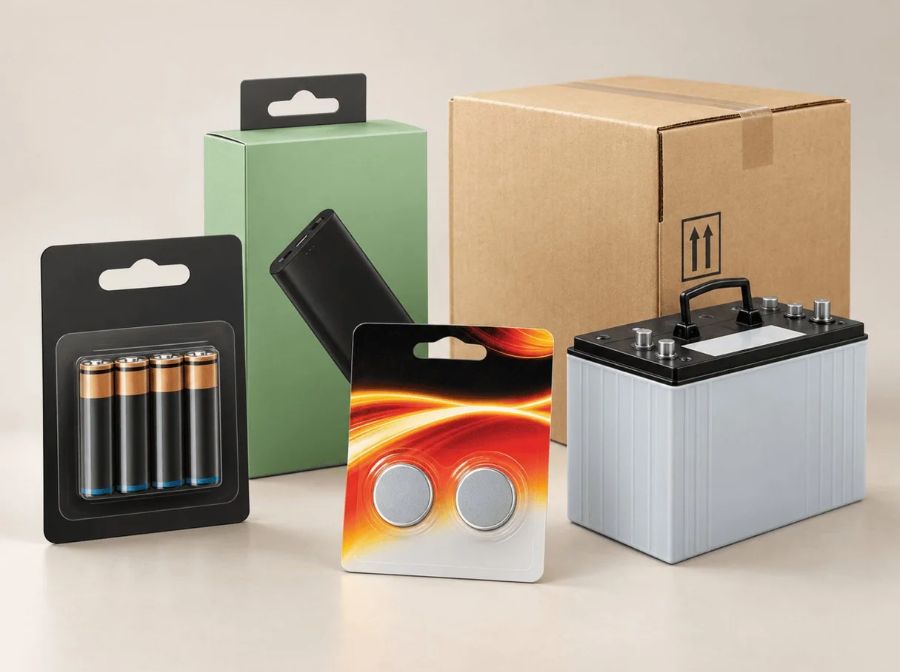
Batteries are essential components in many products, from portable electronics and consumer devices to automotive systems and industrial equipment. As battery technology continues to develop, businesses need packaging solutions that provide reliable protection, efficient handling, and professional product presentation.
Battery packaging is not simply an outer box. It is a carefully designed packaging system that helps protect batteries from physical damage, supports safe transportation, and improves how products are presented to customers. The right packaging design can also strengthen brand identity through custom printing, unique structures, and premium finishes.
For businesses selling batteries, electronic products, or battery-powered devices, choosing the right packaging material and design is an important part of product success. High-quality electronic packaging solutions ensure sensitive components remain secure throughout distribution and retail display. Custom Packaging Pro UK provides custom packaging solutions designed around product requirements, branding goals, and market expectations.
Guide to Battery Packaging Solutions, Safety & Branding
What Is Battery Packaging?
Battery packaging refers to the boxes, cartons, protective inserts, and other packaging components used to store, protect, and transport batteries safely.
A suitable battery package is designed to address several important factors:
- Protecting batteries from impact and pressure
- Keeping products organised during storage
- Reducing movement inside the packaging
- Supporting safe handling during transportation
- Providing space for branding and product information
Different batteries require different packaging approaches. Small consumer batteries may need compact retail cartons, while larger battery products may require stronger shipping boxes with additional protective features. A well-designed battery packaging box balances protection, functionality, and appearance.
Why Is Battery Packaging Important for Businesses?
Protecting Products During Storage and Transportation
Batteries can be sensitive products that require suitable protection throughout the supply chain. Packaging helps reduce the risk of damage caused by handling, stacking, and transportation. A properly designed packaging solution can include:
- Strong outer materials
- Secure product placement
- Protective inserts
- Custom-sized compartments
- Cushioning features
For businesses, this helps maintain product quality before the item reaches the customer.
Improving Product Presentation
Packaging is often the first physical interaction customers have with a product. A professionally designed battery package can help brands create a stronger market presence. Custom printed packaging allows businesses to include:
- Brand logos
- Product details
- Usage information
- Visual designs
- Colour schemes consistent with brand identity
A well-designed package can make products easier to recognise on shelves and improve customer confidence.
Supporting Better Organisation and Handling
Businesses handling multiple battery products need packaging that makes storage and distribution easier. Custom battery packaging can be designed around:
- Different battery sizes
- Product quantities
- Retail requirements
- Warehouse handling needs
This reduces unnecessary packaging space and creates a more efficient storage process.
Types of Battery Packaging Solutions
Different industries require different packaging formats. The ideal choice depends on battery type, product size, shipping requirements, and branding objectives.
Cardboard Battery Packaging
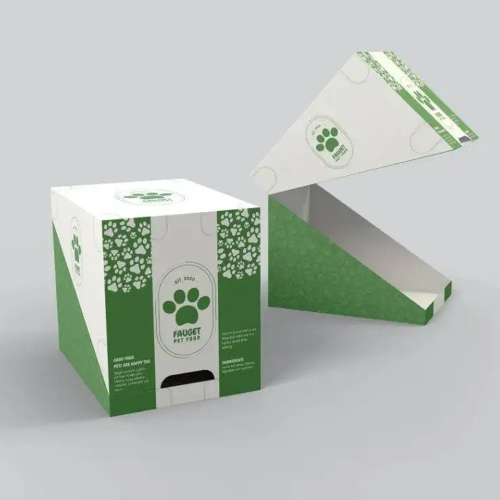
Cardboard is one of the most common materials used for battery cartons because it provides a practical balance between cost, protection, and printability. Battery cardboard packaging is commonly used for:
- Consumer batteries
- Small electronic products
- Retail battery packs
- Promotional battery products
Benefits include:
- Lightweight structure
- Easy custom printing
- Cost-effective production
- Recyclability options
Custom cardboard battery packaging can be designed with different shapes, finishes, and inserts to improve both protection and appearance.
Corrugated Battery Packaging
Corrugated packaging provides additional strength compared with standard cardboard cartons. It is commonly selected for shipping applications where durability is a priority. Corrugated battery boxes are suitable for:
- Bulk battery transportation
- Warehouse storage
- E-commerce deliveries
- Larger battery products
Key advantages include:
- Strong resistance against compression
- Better protection during handling
- Suitable structure for shipping requirements
Businesses that need reliable battery shipping packaging often choose corrugated solutions because they provide a stronger outer layer.
Folding Carton Battery Packaging
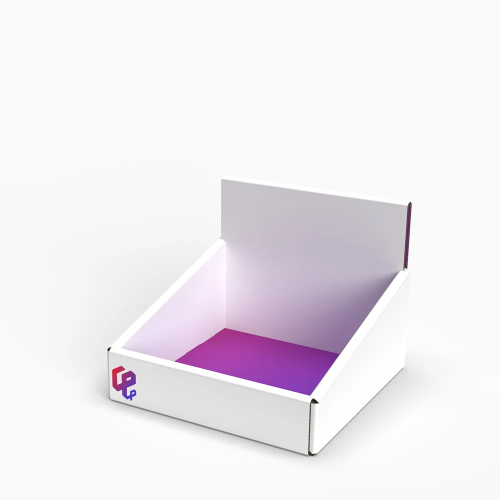
Folding cartons are widely used for retail products because they offer excellent printing opportunities and a clean presentation. They can be customised with:
- Different shapes
- Window features
- Product holders
- High-quality printing finishes
Folding carton designs are suitable for brands that want packaging that protects products while maintaining a professional retail appearance.
Rigid Battery Packaging
Rigid packaging is often selected for premium products where presentation and durability are important. Common applications include:
- High-value electronics
- Premium battery products
- Gift-style product packaging
Rigid boxes provide:
- A luxury appearance
- Strong structural protection
- A memorable unboxing experience
For brands positioning products at a premium level, rigid packaging can support a stronger customer perception.
Choosing the Right Battery Packaging Material
The choice of battery packaging material depends on the product type, protection requirements, and brand objectives.
| Packaging Material |
Main Benefits |
Suitable Applications |
| Kraft cardboard |
Lightweight, recyclable, natural appearance |
Eco-conscious brands and retail products |
| Corrugated board |
Strong and protective |
Shipping and bulk packaging |
| Folding carton board |
Excellent printing surface |
Consumer battery products |
| Rigid board |
Premium feel and durability |
Luxury electronics and high-value products |
| Protective inserts |
Keeps products secure |
Fragile or sensitive battery products |
A packaging supplier can help businesses select materials that provide the right balance between protection, cost, sustainability, and presentation.
Battery Packaging Design Considerations
A successful battery packaging design requires more than selecting a box size. The structure should match the product requirements while supporting efficient storage, transport, and branding.
Custom Size and Product Fit
A properly sized package helps prevent unnecessary movement inside the box.
Benefits include:
- Reduced internal shifting
- Better product protection
- Less wasted packaging material
- Improved customer experience
Custom dimensions allow businesses to create packaging specifically for their battery products rather than relying on standard sizes.
Internal Protection Features
Internal packaging components can improve battery security during handling.
Common features include:
- Cardboard inserts
- Dividers
- Trays
- Protective holders
- Cushioning materials
These features help keep products organised and reduce contact between individual items.
Branding and Printing Options
Custom packaging provides businesses with opportunities to communicate their brand message directly through the package.
Popular printing options include:
- Logo printing
- Product illustrations
- Brand colours
- Instructions
- Product information
A professional battery packaging box design can help products stand out while maintaining a consistent brand identity.
Lithium Battery Packaging Requirements
Lithium batteries are widely used in consumer electronics, electric vehicles, energy storage systems, and industrial applications. Due to their energy density, they require careful packaging and handling during transportation. Lithium batteries packaging needs to consider factors such as:
- Battery type and classification
- Packaging strength
- Protection against short circuits
- Secure positioning inside the package
- Appropriate transport documentation and markings where required
International transport organisations classify many lithium battery shipments as dangerous goods because damaged or improperly handled batteries may create safety risks.
Businesses involved in shipping lithium batteries should follow applicable regulations and guidance from recognised transport authorities. Requirements can vary depending on factors such as:
- Whether batteries are shipped alone
- Whether batteries are packed with equipment
- Whether batteries are installed inside equipment
- The battery's capacity and classification
For this reason, businesses should ensure their packaging approach matches the specific requirements of their product and shipping method.
Battery Shipping Packaging: Key Factors Businesses Should Consider
Choosing the correct battery shipping packaging is important for protecting products throughout the delivery process.
Strong Outer Protection
Shipping packaging should be designed to handle:
- Transportation movement
- Stacking pressure
- Warehouse handling
- External impacts
Corrugated boxes and reinforced packaging structures are commonly selected when additional durability is required.
Preventing Internal Movement
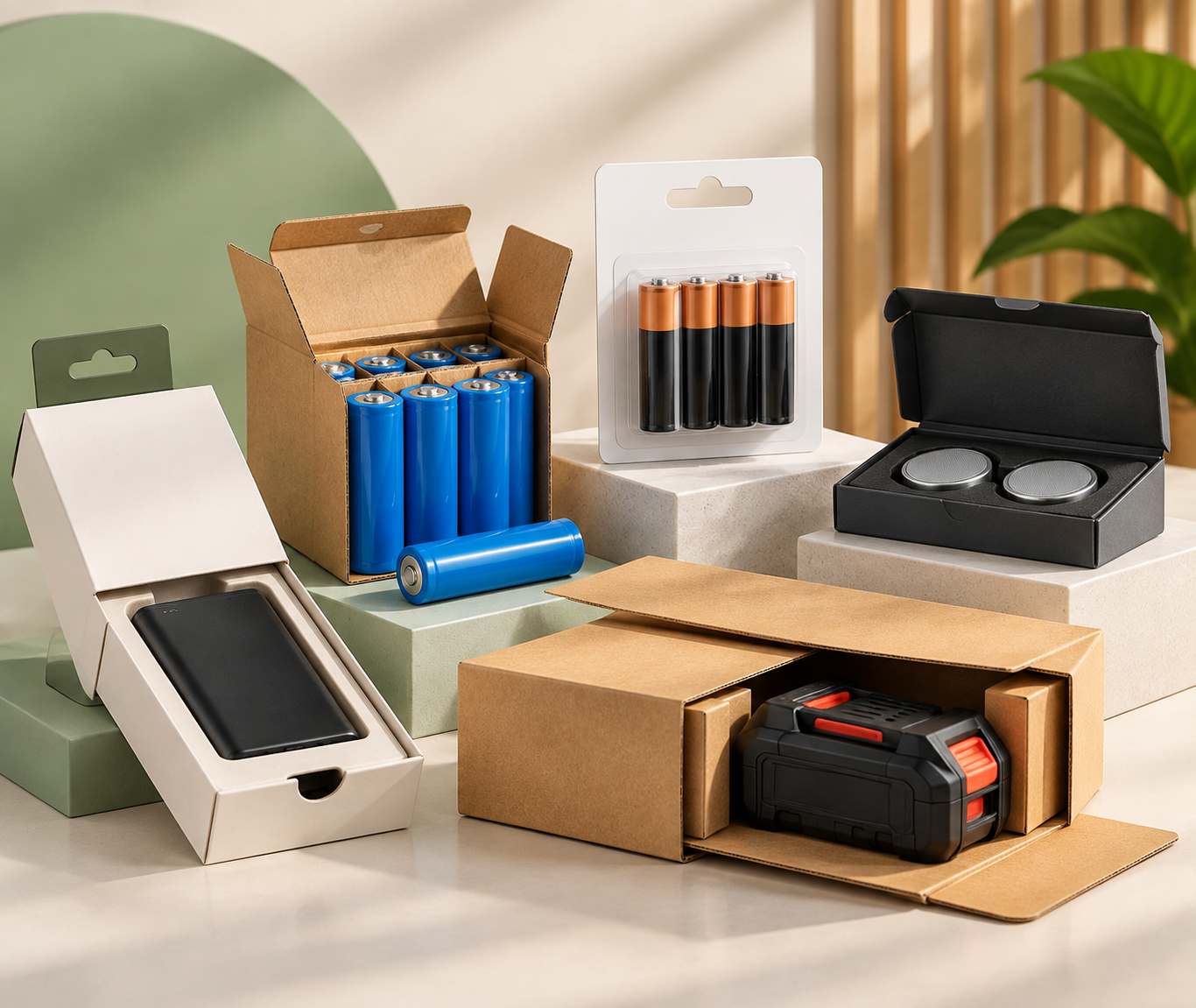
Loose movement inside packaging can increase the possibility of product damage. Custom solutions may include:
These features help keep batteries organised and reduce unnecessary contact between products.
Terminal Protection
Battery terminals require careful protection because accidental contact with conductive materials may create safety concerns. Packaging designs may include:
- Individual compartments
- Protective separators
- Internal barriers
The exact packaging requirements depend on battery type and applicable transport rules.
Battery Packaging for Different Industries
Different sectors require different packaging approaches based on product size, customer expectations, and supply chain needs.
Mobile Battery Packaging
Mobile batteries require compact packaging that protects the product while maintaining an attractive retail appearance. Custom mobile battery packaging can include:
- Small folding cartons
- Printed sleeves
- Secure inserts
- Product information panels
For consumer electronics brands, packaging design plays an important role in creating a professional first impression.
Automotive Battery Packaging
Automotive batteries are larger and heavier than many consumer battery products, requiring stronger packaging structures. Car battery packaging solutions may focus on:
- Strong outer protection
- Efficient handling
- Secure storage
- Transportation durability
Businesses supplying automotive components often require packaging that supports both protection and logistics efficiency.
Rechargeable Battery Packaging
Rechargeable batteries are used across many industries, including electronics, tools, and portable equipment. Packaging requirements may include:
- Product separation
- Secure internal positioning
- Clear product information
- Durable outer materials
Custom designs allow manufacturers to create packaging suited to specific battery formats.
Alkaline Battery Packaging
Alkaline battery packaging is commonly designed for retail environments where visibility and product recognition matter. Important features may include:
- Attractive printed designs
- Easy shelf display
- Product quantity information
- Consumer-friendly opening features
Sustainable Battery Packaging Solutions
Sustainability has become an important consideration for many businesses choosing packaging materials. Modern battery packaging solutions can incorporate:
- Recyclable cardboard materials
- Kraft packaging options
- Reduced material usage
- Efficient structural designs
Eco-friendly packaging can help brands reduce unnecessary waste while maintaining product protection. For businesses looking for sustainable solutions, material selection should consider both environmental impact and the protection needs of the product.
How Custom Battery Packaging Helps Build Stronger Brands
Packaging is not only a protective layer. It is also an opportunity for businesses to communicate quality and professionalism. Custom battery packaging can help brands through:
- Better Product Recognition
Printed designs allow customers to quickly identify products and connect them with a specific brand.
- Improved Customer Experience
A well-designed package creates a smoother opening experience and presents the product professionally.
- Stronger Market Position
Premium packaging can help businesses differentiate their products from competitors using standard packaging formats.
- Flexible Design Options
Businesses can choose:
- Custom sizes
- Different materials
- Printed designs
- Finishing options
- Special structures
How to Choose the Right Battery Packaging Partner
Selecting a packaging supplier requires evaluating more than just price. Businesses should consider whether the supplier can provide packaging that matches product requirements. Important factors include:
Custom Design Support
A reliable supplier should understand:
- Product dimensions
- Protection requirements
- Branding goals
- Shipping needs
Material Selection
The right supplier should offer different packaging materials suitable for various applications.
Printing and Finishing Quality
Professional printing helps maintain consistent brand presentation.
Production Flexibility
Businesses may require packaging for:
- Small product launches
- Retail distribution
- Wholesale orders
- Growing product ranges
A packaging partner with custom manufacturing capabilities can help create solutions based on specific business needs.
Why Choose Custom Packaging Pro UK for Battery Packaging Solutions?
Custom Packaging Pro UK helps businesses create packaging solutions designed around product protection, presentation, and branding requirements.
The company provides custom packaging options for businesses that need:
- Custom printed packaging
- Product-focused box designs
- Different material choices
- Professional packaging solutions
Whether a business needs cardboard packaging, shipping boxes, or premium presentation packaging, a customised approach can help create packaging that supports both product safety and brand identity.
Final Thoughts
Battery packaging plays an important role in protecting products, supporting safe handling, and creating a professional brand experience. From cardboard cartons for retail batteries to stronger shipping solutions for larger applications, the right packaging design depends on product requirements and business goals.
Custom battery packaging allows businesses to combine protection, functionality, and branding in one solution. By choosing suitable materials, practical structures, and thoughtful designs, brands can create packaging that supports both their products and their customers.

Frequently Asked Questions About Battery Packaging
- What is battery packaging used for?
Battery packaging is used to protect batteries during storage, handling, transportation, and retail display. It helps reduce damage risks while providing space for product information and branding.
- What materials are commonly used for battery packaging?
Common battery packaging materials include cardboard, corrugated board, kraft paperboard, rigid board, and protective inserts. The best choice depends on the battery type and protection requirements.
- Can battery packaging be customised?
Yes. Custom battery packaging can be designed with specific sizes, printed branding, inserts, and structural features to match different products and industries.
- What type of packaging is suitable for lithium batteries?
Lithium battery packaging depends on battery classification, shipping method, and applicable transport requirements. Businesses should use packaging designs that provide protection and follow relevant regulations.
- Why are inserts used in battery packaging?
Inserts help keep batteries secure inside the package, reduce movement, improve organisation, and provide additional protection during handling and transport.
- Is eco-friendly battery packaging available?
Yes. Businesses can choose recyclable and sustainable packaging materials such as kraft and recyclable cardboard options, depending on their product requirements.