The Complete Checklist for Packaging Compliance & Safety in the UK
March 30, 2026
Launching a product in the UK market takes more than a great idea. Customers judge quality the moment they see the packaging. A poorly labelled or unsafe package can quickly damage trust. Therefore, packaging compliance plays a critical role for every brand.
At the same time, UK regulations around packaging safety are detailed and strict. Businesses must protect consumers and communicate product information clearly. Many growing companies work with reliable food packaging suppliers UK to understand these rules before launching products. Following the right checklist helps brands stay compliant while maintaining professional packaging standards.
The Importance of Packaging Compliance for UK Brands
Packaging serves many roles beyond simply containing a product. It safeguards items during storage, shipping, and display on shelves. Also, customers often link the quality of packaging to the trustworthiness of the brand.
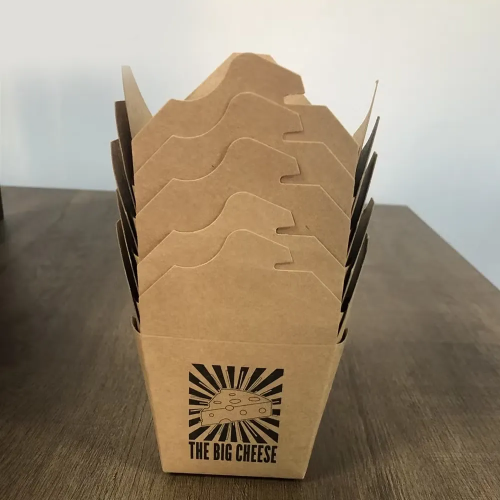
When packaging doesn't meet safety standards, businesses risk penalties or product recalls. However, compliant packaging creates confidence among retailers and customers. For example, takeaway brands must ensure their packaging maintains hygiene during transport. Containers such as cardboard food containers help protect meals from contamination. Similarly, restaurants rely on cardboard takeaway boxes for secure and practical food service.
Subscription meal brands also depend on protective packaging. Services offering meal boxes delivered must ensure their packaging maintains freshness and safety throughout shipping. Therefore, compliance is not simply a legal requirement. It is a foundation for brand credibility and customer trust.
UK Safety & Labelling Regulations Every Brand Must Follow
Understanding packaging regulations is the first step toward compliance. UK law requires businesses to use materials that protect consumers and prevent contamination. Many companies begin by selecting safe packaging materials UK approved for commercial use. These materials must not release harmful substances into food or other products.
Mandatory Labelling & Natasha’s Law
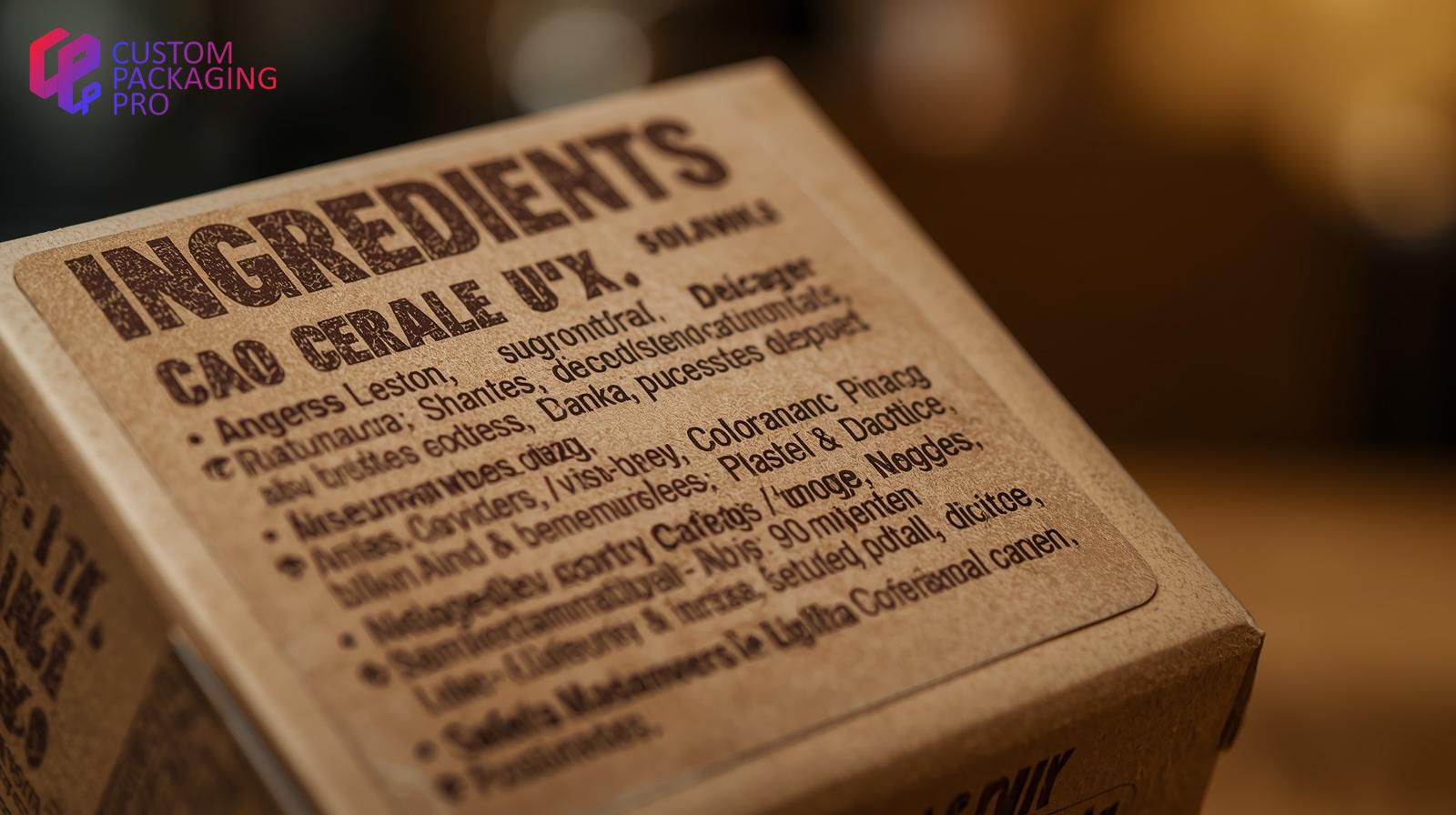
Labeling is a crucial requirement. Businesses are obliged to adhere to the official labelling requirements UK when selling packaged goods. Labels usually print with product names, ingredient lists, manufacturing & expiration dates, allergen alerts, and storage instructions.
Specifically, food businesses must comply with Natasha’s Law. This requires all food pre-packed for direct sale (PPDS) to display a full ingredients list with allergens emphasized in bold. Clear labelling helps customers make informed decisions while ensuring legal compliance.
Food businesses must also follow recognised food-safe packaging standards. These standards ensure that packaging materials remain stable when in contact with food. Once these rules are followed, businesses can confidently produce compliant packaging boxes UK for retail and distribution. Following these regulations from the beginning prevents costly packaging redesigns later.
Material Testing & Certification Ensures Packaging Safety
Packaging must be tested before it hits the market. Material testing confirms that packaging remains safe during storage and delivery. Many manufacturers provide official packaging certifications attesting to material compliance and safety. These records attest to the packaging's compliance with all applicable regulations.
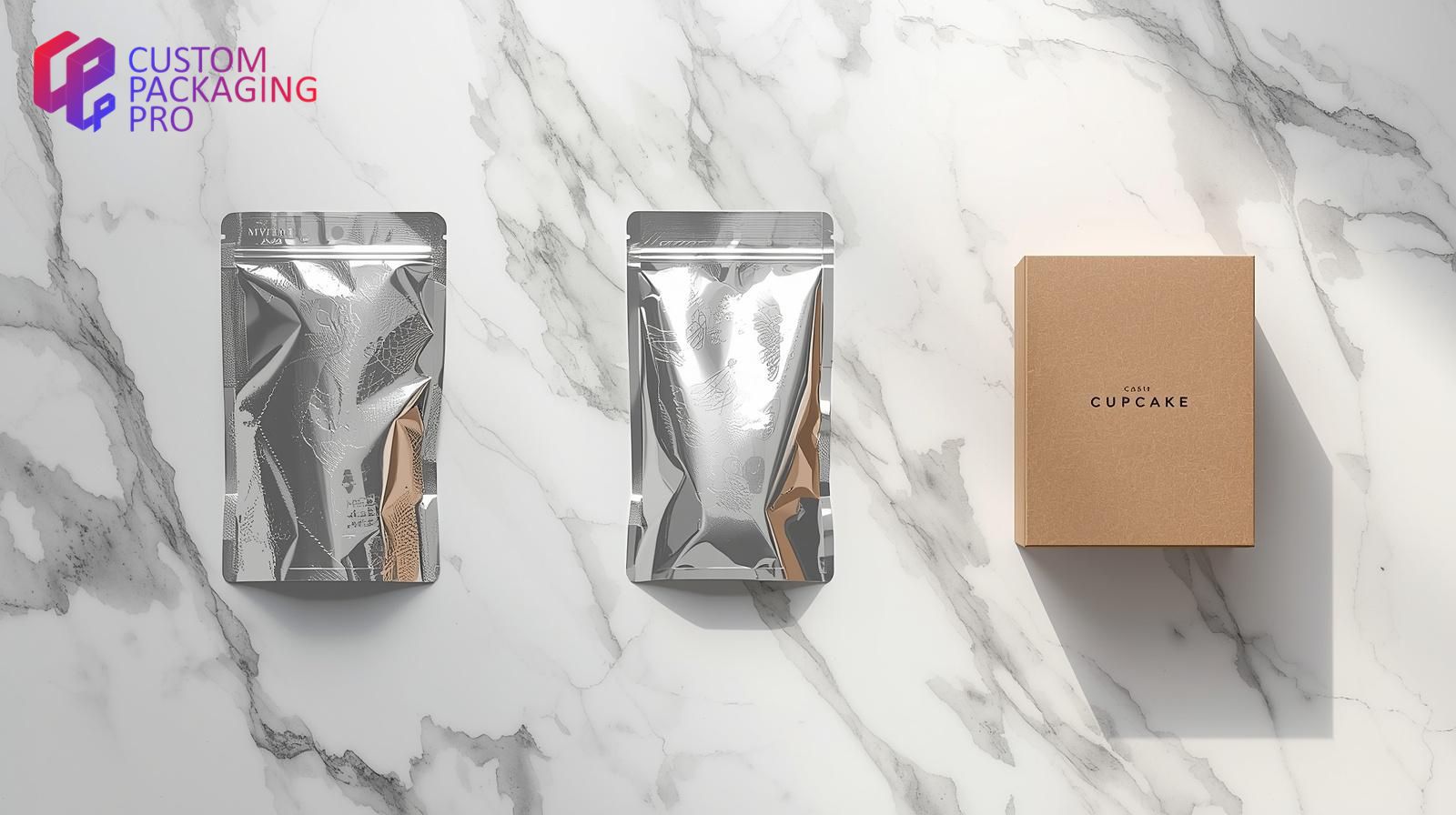
Flexible packaging formats often require special testing. Products stored in food pouches must remain protected from air and moisture. Snack brands often rely on durable foil bags to extend product shelf life. Dry goods frequently use Mylar foil bags for reliable protection against oxygen exposure.
Retail snack brands also prefer a resealable pouch because it allows customers to store products safely after opening. Testing ensures these packaging formats maintain their protective properties throughout the product lifecycle.
Industry-Specific Compliance: Food, Pharma, and Cosmetics
Different packaging regulations apply to different industries. As a result, companies need to choose packaging options that are tailored to their particular products. Food businesses need packaging that can withstand heat, moisture, and oil. Burger boxes are frequently used by restaurants to securely package takeout food. Some companies favor custom burger boxes that are both durable and representative of their brand identity.
Street food sellers use custom hot-dog boxes for easy food serving and takeaway. Bespoke food boxes are commonly used by retail food brands to safeguard packaged meals and snacks. Additionally, dessert businesses prefer custom pie boxes for their baked goods that require extra care during delivery.
In the cosmetics industry, brands focus on protective cosmetic boxes and makeup packaging that uphold product integrity while adhering to exacting safety and labeling requirements. In a similar vein, pharma packaging solutions for healthcare products must be extremely controlled.
Sensitive medications are shielded from contamination, light, and moisture by modern medication packaging systems. When creating packaging for pharmaceutical products, manufacturers must adhere to stringent guidelines to ensure that pharmaceutical packaging promotes safety, traceability, and regulatory compliance throughout the supply chain.
Hygiene Packaging Practices for Bakery and Confectionery
Hygiene is one of the most critical elements of packaging safety. Clean packaging protects food from contamination and maintains freshness. Many bakeries rely on protective cookie boxes for freshly baked products. These boxes help maintain texture and flavour.
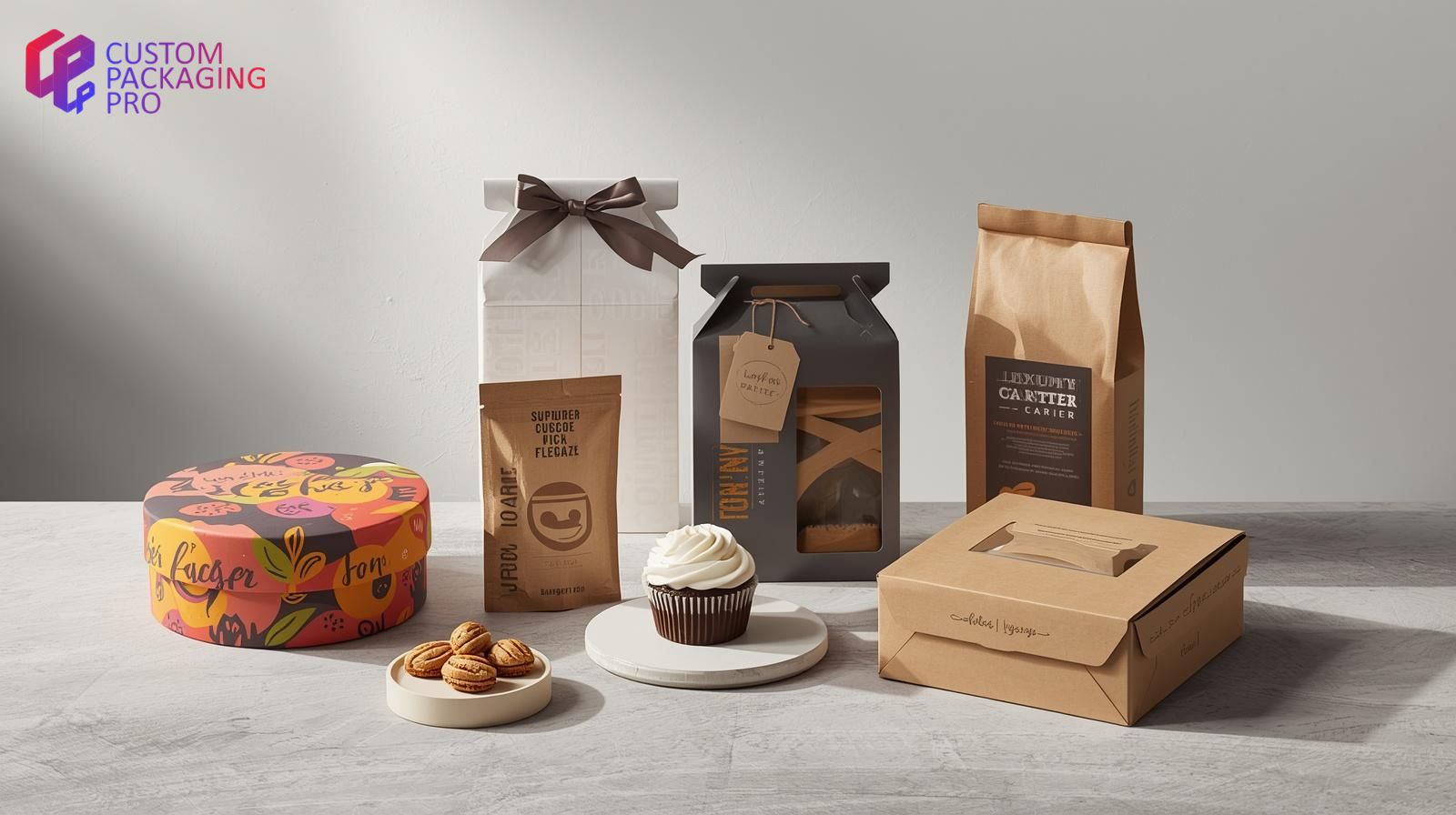
Delicate desserts need sturdy cupcake boxes for safe takeaway. These boxes prevent damage to the decorations and beautiful toppings. Products from sweet shops are often packaged in vibrant candy boxes to preserve their look. To preserve presentation and freshness, premium chocolate brands often use sophisticated chocolate boxes.
To increase shelf life, retail snack companies also rely on specialised cookie packaging. Hygienic packaging ensures that consumers receive food that is both tasty and safe.
Smart Packaging Solutions for Food Delivery and Subscriptions
Food delivery and subscription services continue to expand across the UK. As a result, packaging must support both safety and logistics. Meal kit companies depend on strong food delivery boxes to ship ingredients securely. Many subscription brands organise their products using structured recipe boxes for convenience.
Curated food experiences are often sold as food subscription gifts for special occasions. Online retailers frequently promote gourmet selections through Shop Food Subscription Boxes. Seasonal promotions sometimes feature curated packages such as Christmas with Parsley Box.
Packaging Formats That Support Retail Display and Storage
Retail packaging must strike a balance between durability and attractive presentation. Customers continually select products based on how they look on store shelves. Breakfast brands often package grains in durable cereal boxes made for easy stacking. Coffee brands depend on protective coffee packaging to maintain aroma and freshness.
Tea brands commonly use elegant tea boxes that support both storage and branding. Dry goods manufacturers often prefer Mylar bags & zipper bags because they provide strong barrier protection. These packaging solutions protect products while helping brands stand out in competitive retail environments.
Packaging Compliance Today Cultivates Stronger Brands for Tomorrow
Packaging compliance involves more than just technical specs; it's a strategic measure that protects both clients and companies. Following UK regulations helps brands maintain safety and credibility. Certified materials and thorough testing guarantee that products are protected throughout storage and delivery.
Businesses that prioritise compliance also avoid expensive product recalls or regulatory issues. Collaborating with seasoned food packaging suppliers UK can make this process easier. Strong packaging solutions improve customer confidence and product presentation. Brands that prioritise compliance now establish a firmer base for future growth.
If your business is preparing new packaging solutions, order now from Custom Packaging Pro UK and create reliable packaging that's perfectly suited for today's modern businesses.
FAQs
- What are the main UK rules for packaging compliance?
UK packaging rules require safe materials, correct labeling, and hygienic packing processes to protect consumers and ensure product safety.
- Why are packaging certifications important?
Packaging certifications show that materials meet safety standards and help prove compliance during inspections.
- What type of packaging is best for food delivery services?
Strong takeaway containers and leak-proof packaging keep food fresh and prevent spills during delivery.
- Are resealable pouches good for food storage?
Yes, resealable pouches help keep food fresh after opening and make storage easier for customers.
- Do subscription food boxes need special packaging?
Yes, meal kits are carefully packaged to ensure the food stays fresh and safe when it gets to you.
- Why should businesses work with professional packaging suppliers?
Reliable suppliers offer tried-and-true packaging materials along with expert guidance, making it easier for your business to stay compliant with UK safety regulations.