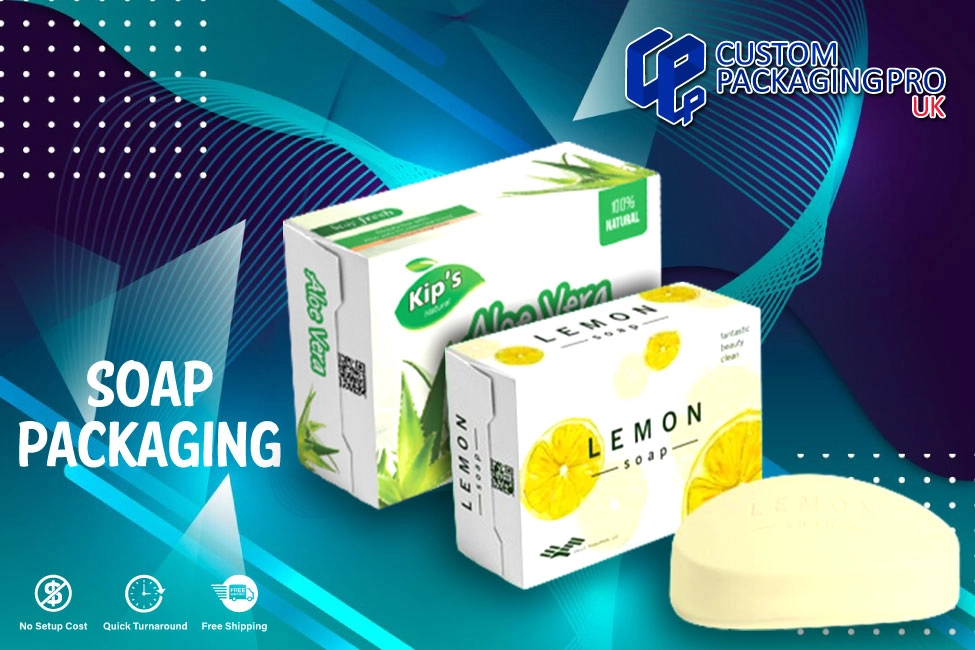
How Custom Soap Packaging Protects Product Quality, Meets UK Compliance, & Maximises B2B Retail Sales
January 10, 2024
The soap and personal care manufacturing industry across the United Kingdom is experiencing unprecedented growth, driven by an expanding consumer appetite for organic handmade formulations, luxury skincare bars, and eco-conscious bathing products. However, soap remains an exceptionally delicate chemical and physical formulation. Ambient atmospheric humidity, unexpected temperature swings, free oxygen exposure, and direct ultraviolet (UV) light can quickly compromise both commercial and artisan soaps within days of production.
Unprotected soap bars absorb ambient moisture, suffer glycerine sweating, lose essential fragrance notes, fade in visual tone, and even develop destructive mould spores. For UK soap makers, cosmetic brands, and B2B distributors, ordering engineered Soap Packaging is not merely a visual design luxury—it is a critical supply-chain requirement that safeguards product freshness, protects financial margins, and maintains brand reputation.
In crowded physical retail stores across high streets and within dynamic UK e-commerce marketplaces, premium packaging serves as an indispensable silent salesperson. Superior packaging design creates instant visual impact, establishes buyer trust, complies with UK packaging waste regulations, significantly decreases transit-related product returns, delivers a memorable unboxing experience, and directly drives repeat wholesale and retail sales.
The Science of Soap Degradation: Why Protective Packaging is Essential
What are the primary protective benefits of specialized custom soap packaging?
Direct Answer: Custom soap packaging functions as a comprehensive physical, chemical, and atmospheric barrier. It prevents atmospheric humidity absorption, blocks UV degradation, mitigates fragrance evaporation, and eliminates physical friction during transit. Utilizing dense paperboards, aqueous moisture barriers, and crush-resistant corrugated fluting preserves essential oil profiles, prevents bar softening, and extends shelf longevity across UK supply chains.
Soap bars—especially cold-process, hot-process, and glycerine-rich natural soaps—are inherently hygroscopic. This chemical characteristic means they continuously attract water molecules from surrounding air. In unconditioned warehouses or humid transit vehicles across the UK, unprotected soap undergoes rapid degradation processes that harm both product functionality and shelf presentation.
Understanding Key Environmental Hazards & Defense Mechanisms
Deploying specialized material engineering across your packaging strategy mitigates four core environmental degradation factors:
- Atmospheric Moisture Absorption & "Glycerine Sweating": High glycerine content in natural soaps absorbs ambient water vapor. This causes liquid beads to form on the bar's surface, dissolving surface branding, causing soft spots, and creating ideal conditions for bacterial or mould growth. Lined paperboard and moisture-barrier coatings seal out atmospheric moisture, maintaining bar hardness.
- Volatile Essential Oil & Fragrance Preservation: Essential oils and synthetic fragrances consist of volatile organic compounds (VOCs) that evaporate rapidly when exposed to air circulation. Custom tuck-end boxes and protective sleeves seal the box interior, trapping aromatic compounds and maintaining scent intensity from production to the end customer.
- UV Light Oxidation & Pigment Fading: Direct sunlight and harsh retail fluorescent lighting oxidize natural colorants (such as clays, botanicals, and mica powders) and break down fragile fat molecules, causing soaps to go rancid. Opaque folding cardstock blocks 100% of destructive light rays.
- Physical Transit Abrasion & Corner Crushing: During courier sorting and multi-drop transport, loose soap bars suffer edge scuffing, corner denting, and surface scarring. Dense, custom-fitted boxes eliminate internal movement and absorb transit impacts.
By engineered defense against these environmental threats, UK brands drastically cut damage-related product returns, preserve product integrity, and increase customer lifetime value.
Comprehensive Material Guide: Selecting the Right Substrates for UK Soap Packaging
Selecting the optimal material weight, GSM (Grams per Square Metre), and structural composition is critical to balancing brand position, durability during transit, printing sharpness, and compliance with the UK Plastic Packaging Tax (PPT).
| Substrate Material |
GSM / Thickness Range |
Best Suited Industry Application |
Key Performance & Environmental Advantage |
| Eco-Friendly Natural Kraft |
280 GSM – 350 GSM |
Artisan, organic, vegan, & handmade natural soaps |
100% biodegradable, fully recyclable, rustic eco-aesthetic, high tear strength |
| Solid Bleached Sulfate (SBS) |
300 GSM – 400 GSM |
Luxury retail lines, foil-stamped & embossed boxes |
Pure white smooth surface, superior print clarity, excellent structural rigidity |
| Recyclable Folding Boxboard (FBB) |
250 GSM – 380 GSM |
High-volume retail merchandise & supermarket lines |
Multi-layered strength, cost-effective wholesale production, excellent creasing |
| Single-Wall Corrugated (E-Flute) |
1.1mm – 1.5mm thickness |
E-commerce mailers, subscription boxes, bulk shipping |
High Edge Crush Test (ECT) rating, excellent puncture defense, lightweight handling |
| Micro-Corrugated (F-Flute) |
0.8mm – 1.0mm thickness |
Compact retail boxes requiring extra wall strength |
Combines the printability of folding cardstock with the cushioning of corrugated board |
Print Finishes, Coatings, & Eco-Compliance
To ensure your packaging complies with modern UK waste reduction targets while standing out on competitive shelves, pair your structural substrate with advanced, eco-conscious finishing options:
- Water-Based Aqueous Coatings: Replaces plastic laminates with a fully recyclable, water-based barrier layer that resists moisture, grease, and fingerprint smudges.
- Soy & Vegetable-Based Inks: Delivers sharp Pantone color accuracy without toxic volatile organic compounds (VOCs), simplifying paper pulping and recycling processes.
- Targeted Spot UV & Metallic Foil Stamping: Highlights brand logos and key certifications (e.g., Organic, Cruelty-Free, Made in the UK) with zero plastic lamination.
Designing Custom Soap Box Styles for Retail & E-Commerce Logistics
Different retail and direct-to-consumer (D2C) channels require specialized structural box designs to maximize functional ease and shelf impact. Choosing the correct structural design streamlines packing line speed and reduces postage costs.
- Straight & Reverse Tuck-End Boxes
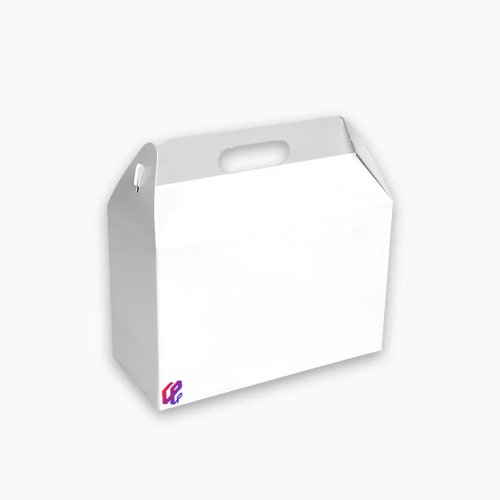
Tuck-end boxes are the industry standard for single-bar retail packaging. Featuring top and bottom closures that fold securely into the box body, these containers are lightweight, economical for high-speed automated or manual assembly, and provide smooth outer surfaces for branding, ingredient lists, and barcodes.
- Two-Piece Rigid Drawer & Sleeve Boxes
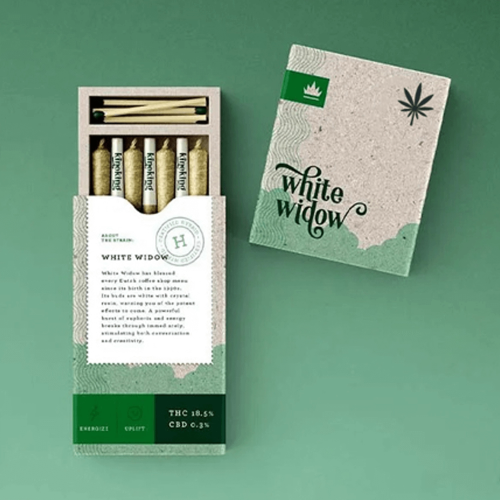
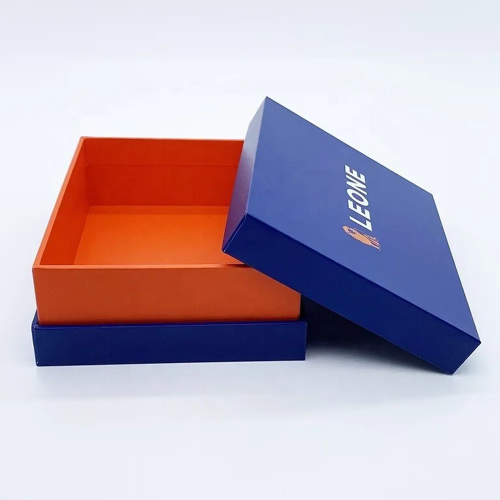
Ideal for luxury gifting lines, high-end skincare bars, and seasonal promotional sets. Sleeve (or matchbox-style) designs utilize an outer sliding cover over a rigid inner tray, delivering an interactive unboxing experience that elevates perceived brand value and justifies premium price points.
- Custom Window Cutout Soap Boxes
Precision die-cut windows allow consumers to directly view the soap’s unique color swirls, botanical toppings, and visual texture while accessing its scent profile without opening the protective seal. Adding breathable cellulose windows protects hygiene while encouraging sensory engagement.
- E-Commerce Mailer & Subscription Boxes
Built using E-flute corrugated cardboard, mailer boxes feature self-locking tabs that eliminate the need for excessive outer plastic tape. Designed to withstand courier sorting networks across the UK, these boxes ensure multi-packs of soap arrive pristine.
Maximizing In-Store Conversions with Retail Display Packaging
How does counter display packaging increase retail soap sales?
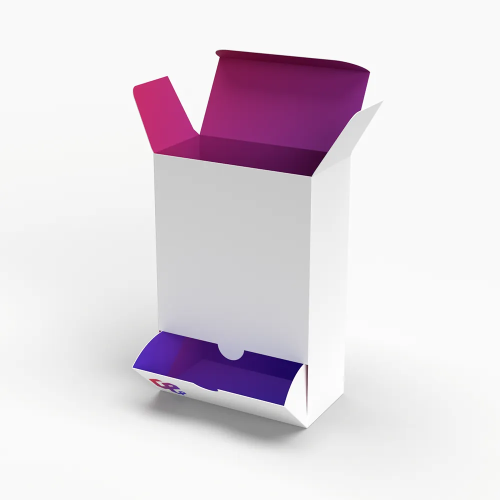
Direct Answer: Countertop and shelf-ready display packaging organizes product inventory into clean, eye-level arrangements in retail stores. Featuring high-impact headers, die-cut window cutouts, and integrated dispenser structures, display packaging maximizes brand visibility, simplifies store stocking, and drives last-minute impulse sales at checkout registers.
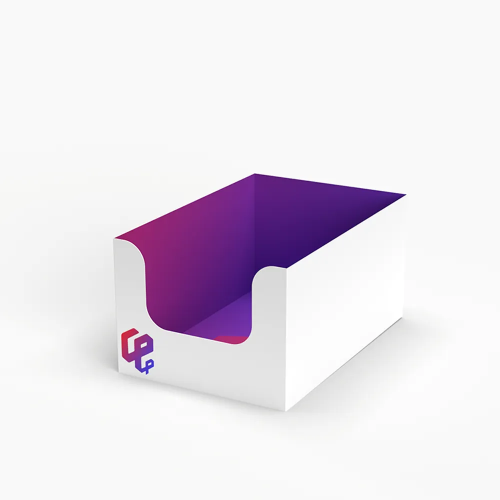
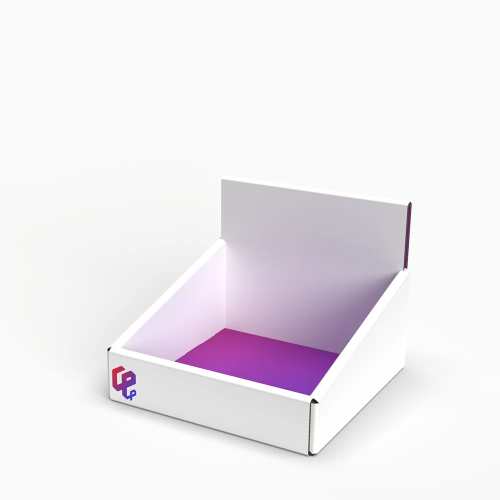
In physical retail environments, Display Packaging provides a seamless bridge between transit packaging and active customer purchasing. Pre-assembled counter display units (CDUs) and shelf-ready packaging (SRP) reduce stocking labor for shop managers while guaranteeing your product line maintains maximum visual presence.
Strategic Benefits of Counter Display Units (CDUs) in Retail
- Dominant Brand Blocking: Groups individual soap bars into a single, cohesive color block on store shelves, standing out against scattered competitor products.
- Optimized Point-of-Sale Placement: Compact countertop footprints fit easily near checkout registers, capturing high-margin impulse sales from queuing customers.
- Simplified Retail Operations: Retailers simply open the shipping carton, fold back the tear-away header card, and place the fully loaded tray onto the sales floor within seconds.
- Integrated Marketing Real Estate: The vertical header card acts as a mini billboard, clearly communicating key value propositions such as "100% Organic," "Handcrafted in the UK," or "Cruelty-Free."
For a detailed breakdown of retail arrangements, explore our full guide on display boxes with attractive features to enhance product presentation.
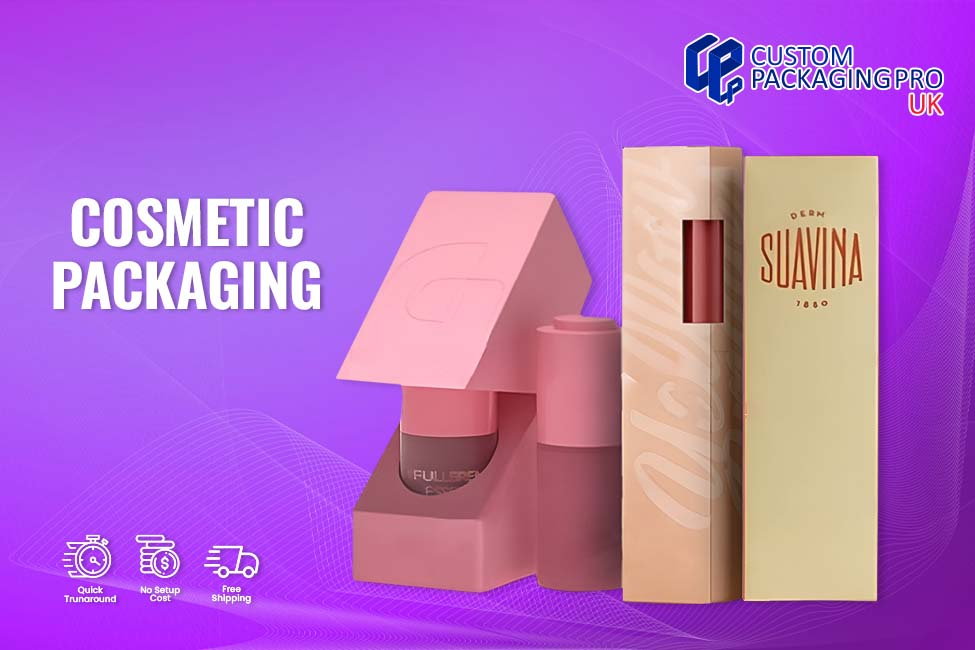
Scaling Your Product Catalog: Aligning Soap & Cosmetic Packaging Standards
As successful soap brands expand into broader skincare, bath, and beauty products, maintaining unified design standards between your core soap line and specialized Cosmetic Boxes builds stronger overarching brand recognition. Modern UK beauty consumers demand complete ingredient transparency, sustainable materials, and functional design. Ensuring your custom cosmetic boxes meet both regulatory standards and consumer preferences is key to sustainable business growth.
Regulatory Labeling Requirements under UK Cosmetic Regulations
To sell legally within the United Kingdom under the UK Cosmetic Regulation (Schedule 34 of the Product Safety and Metrology Regulations), your secondary packaging must clearly display specific compliance details:
- Complete INCI Ingredient List: Full ingredient disclosure using International Nomenclature of Cosmetic Ingredients (INCI) terms, listed in descending order of weight.
- Name & UK Address of the Responsible Person (RP): Clear contact information for the UK-based entity taking legal responsibility for product compliance.
- Period After Opening (PAO) & Expiry Dates: Displaying the open-jar symbol with the number of months the product remains safe after opening, or an exact Best Before Date for short-shelf-life natural products.
- Nominal Net Contents: Weight or volume expressed in grams (g) or milliliters (ml) placed clearly on the principal display panel.
- Batch / Lot Number: Essential production identification for product traceability and safety recalls.
Incorporating these required elements directly into your custom box structural artwork prevents costly packaging redesigns and ensures full compliance with UK Trading Standards. For more structural packaging insights, read our analysis on how innovative cosmetic boxes benefit retail businesses.
Cost-Benefit Analysis: Stock Boxes vs. Custom-Engineered Packaging
While plain stock boxes purchased from general distributors may appear cheaper initially, custom-engineered packaging delivers significant long-term financial advantages across manufacturing, shipping, and marketing operations.
| Evaluation Metric |
Generic Stock Packaging |
Custom-Engineered Packaging (Pro UK) |
| Product Fit & Protection |
Generic sizing requires excess void fill, leading to bar movement and corner damage. |
Precision dielines eliminate movement, maximizing structural protection without extra void fill. |
| Postage & Shipping Costs |
Oversized dimensions increase volumetric dimensional weight (DIM) charges during courier transit. |
Optimized dimensions fit standard UK Royal Mail and courier parcel limits, reducing shipping costs. |
| Brand Impact & Recognition |
Lacks distinct branding; requires manual sticker application that looks amateurish and raises labor costs. |
Full-bleed custom printing, Pantone color matching, and special finishes create instant high-end appeal. |
| Unboxing Experience |
Basic opening mechanisms create a forgettable, utility-focused unboxing experience. |
Thoughtfully designed openings (drawers, sleeves, magnetic lids) encourage social media sharing. |
| Unit Production Cost |
Slightly lower upfront unit costs on small orders, but higher labor costs for manual sealing and labeling. |
Scalable wholesale volume pricing lowers unit costs while eliminating manual labeling steps. |
Step-by-Step Guide to Ordering Custom Soap Boxes with Custom Packaging Pro UK
Working with a specialized UK manufacturing partner makes creating custom packaging straightforward and stress-free. Here is our streamlined production process designed to take your packaging concept from initial CAD dielines to final delivery:
- Step 1: Dimensional & Material Consultation
Provide your exact soap bar dimensions (Length x Width x Height in millimeters), product weight, and desired structural box style. Our packaging specialists will recommend the ideal cardstock GSM or corrugated flute configuration tailored to your retail or e-commerce distribution model.
- Step 2: Precision Dieline Creation
We generate a custom 2D vector dieline file matching your box dimensions. Your design team can easily place artwork, brand assets, logos, typography, and required regulatory ingredient lists onto this structural template.
- Step 3: 3D Digital Proofing & Physical Sampling
Before committing to full production runs, review a realistic 3D digital rendering or order a physical, unprinted structural sample to test product fit, box closure strength, and unboxing functionality.
- Step 4: High-Definition Printing & Custom Finishing
Once artwork is approved, your boxes are printed using high-definition offset or digital presses. Applied finishes—such as soft-touch lamination, metallic hot foil stamping, embossing, or spot UV coatings—are added with exact precision.
- Step 5: Die-Cutting, Gluing, & UK Delivery
Printed sheets are precision die-cut, folded, glued along side seams, and shipped flat to your warehouse or production facility for easy storage and assembly.
Frequently Asked Questions
- Why is specialized custom packaging essential for organic and handmade soaps?
Artisan and organic soaps contain natural glycerine and unrefined plant fats that absorb atmospheric moisture easily. Specialized packaging made from dense, moisture-barrier cardstock prevents "soap sweating," maintains scent profiles, and eliminates soft spots caused by high humidity.
- What cardstock thickness is recommended for retail and e-commerce shipping?
For standard retail display, folding boxboard between 300 GSM and 350 GSM provides structural rigidity and print surface quality. For direct-to-consumer e-commerce shipping across the UK, E-flute corrugated cardboard (1.2mm–1.5mm thickness) offers ideal edge-crush resistance to protect inner retail boxes from shipping impacts.
- How does paper-based eco packaging compare to plastic wrap in performance?
Modern paperboard substrates treated with water-based aqueous protective coatings offer equal grease, moisture, and dust protection compared to traditional single-use plastics while remaining 100% recyclable, biodegradable, and fully compliant with UK Plastic Packaging Tax rules.
- What is the minimum order quantity (MOQ) and production turnaround time?
Custom Packaging Pro UK supports both small artisan businesses and large wholesale enterprises. We offer flexible order runs with no minimum order constraints, along with fast UK turnaround times (6 to 8 business days following artwork approval).
- How do custom die-cut windows benefit soap brands?
Custom die-cut windows allow shoppers to visually verify the soap's texture and color while assessing its scent profile directly on store shelves. This sensory interaction increases point-of-sale buying confidence while keeping the primary product hygienic and protected.
Elevate your brand presence, safeguard your product quality, and increase retail sales with Custom Packaging Pro UK. Contact our packaging engineers today to develop tailored, eco-conscious Soap Boxes built to your exact dimensions, visual branding, and UK distribution needs.