Custom Stackable Storage Boxes: UK Buyer’s Guide (2026)
April 30, 2026
In 2026, warehousing and inventory management will grow much more difficult in the UK due to enterprises' limited storage space and growing operating expenses. Smart storage systems improve organisation, speed handling, and reduce wasted space, becoming a top priority for businesses like retail suppliers and e-commerce centers.
One of the most widely used solutions in this shift is custom stackable storage boxes, designed to improve vertical storage efficiency while keeping inventory safe and structured.
Among the available materials, cardboard boxes remain one of the most practical choices due to their lightweight structure, recyclability, affordability, and ease of customisation across industries.
A lot of companies still rely on traditional cardboard boxes, mainly because they’re affordable, easy to customise, and simple to recycle. But the real difference today isn’t the material — it’s how well the packaging is designed to stack, carry weight, and survive repeated handling.
This guide breaks everything down in a simple way so you can figure out what actually works in real warehouse conditions, not just on paper.
Why Storage Efficiency Matters More in 2026
Warehouse space across the UK is becoming increasingly expensive, particularly for growing retail and online businesses. As a result, companies are shifting away from expanding physical space and instead focusing on improving how existing space is used.
Instead of expanding warehouses, most companies are now trying to work smarter with what they already have. Vertical stacking is part of that shift — it’s not new, but it’s definitely being used more seriously now.
The other pressure point is sustainability. Businesses are under constant pressure to reduce waste and switch to recyclable materials wherever possible, without slowing down operations. So storage efficiency today is really a mix of two things:
space-saving + smarter packaging decisions.
What Are Stackable Storage Boxes?
Put simply, stackable storage boxes are built so that one can sit on top of another without anything shifting, warping, or collapsing under the weight. That sounds basic. But the structural reality, a reinforced base, uniform dimensions, and a genuinely flat top panel, is what separates a box that works from one that causes problems after a few days of stackable storage.
Space costs money. Whether you're running a warehouse, a stockroom, or a busy shop floor, being able to go vertical without investing in extra shelving makes a real difference. The number one thing that determines whether a stackable storage box actually performs that job is compression strength. Cheap board, weak construction; it buckles. The right material spec holds firm. We'll come back to that.
Standard Storage Boxes vs. Stackable
Different storage packaging works in different ways. While standard boxes are typically designed for single-layer storage, stackable storage boxes are designed for load-bearing use.
|
Feature
|
Stackable Boxes
|
Standard Boxes
|
|
Space Efficiency
|
High
|
Moderate
|
|
Vertical Stability
|
Strong
|
Limited
|
|
Warehouse Organisation
|
Improved
|
Basic
|
|
Transport Safety
|
Better
|
Lower
|
|
Handling Speed
|
Faster
|
Slower
|
For businesses managing large inventory volumes, stackable storage systems provide significantly better operational control.
How to Choose the Right Storage Box
Selecting the right storage solution depends entirely on how it will be used in real operations. Before choosing, businesses should consider:
- Product Weight And Density
- Storage Duration (Short- Or Long-Term)
- Handling Frequency
- Warehouse Environment Conditions
- Available Storage Space
Understanding these factors helps prevent issues such as product damage, wasted space, and inefficient workflow systems.
How Stackable Packaging Improves Operations
Stackable packaging plays a direct role in improving day-to-day warehouse efficiency. When inventory is organised in structured stacking systems, staff can locate and retrieve products more quickly. This reduces picking time and improves overall operational flow.
It also minimises handling errors because products are grouped in a consistent format. Over time, this leads to fewer damaged items and smoother logistics operations.
Types of Stackable Storage Boxes
There's no single format that suits every business, and storage boxes' stackable designs genuinely differ in how they perform across different environments. Here's what's available and what each one is actually good for.
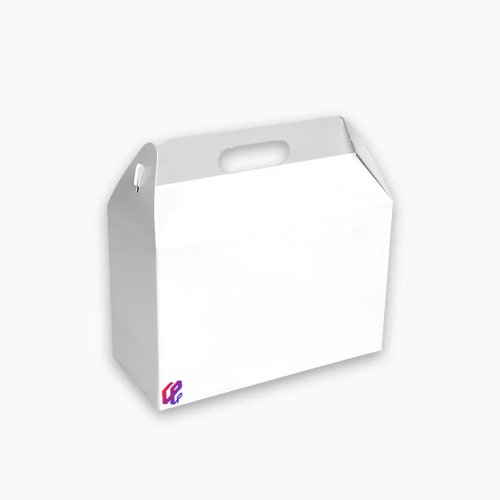
- Lidded Storage Boxes
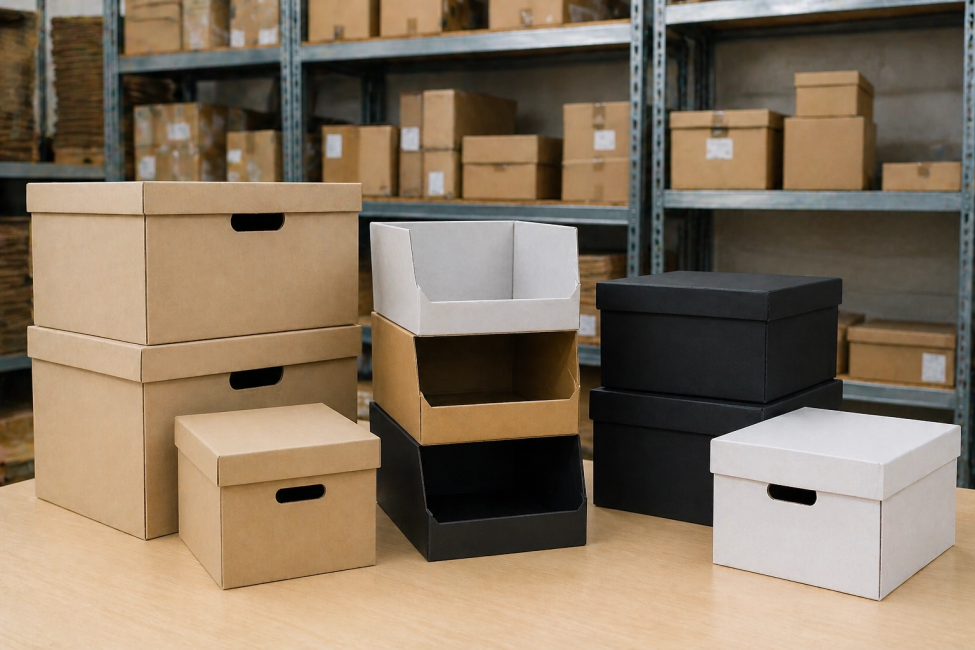
When products need to be protected from dust, moisture, or prolonged storage conditions, lidded designs are utilised. They offer a closed structure that enhances product safety and stacking stability. These are frequently utilised in fulfillment, retail storage, and warehousing operations.
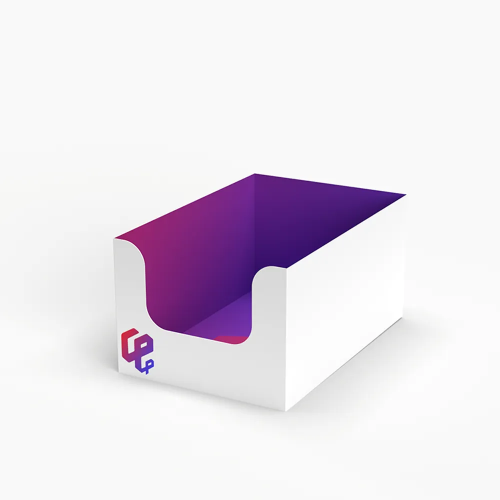
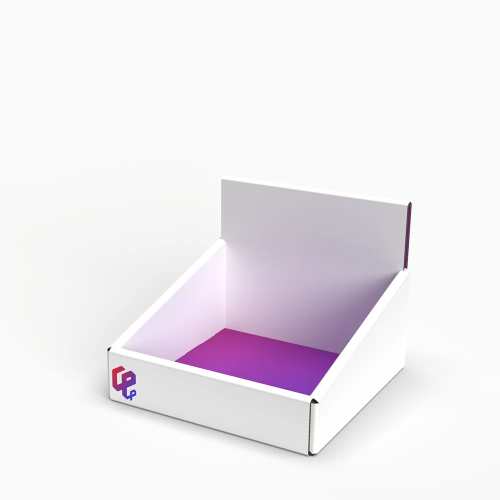
- Open Front Stackable Storage Boxes
Open-front stackable storage boxes, as they're often searched, take out the front panel entirely. What you're left with is a box where the product faces outward, visible without any unpacking required. Retailers love them for that reason. Cosmetic brands, gift shops, and footwear stockists, anyone who needs a clean tiered display without buying separate display hardware. Stackable shoe storage boxes, in particular, almost always use this format; it's the reason stackable shoe storage boxes and stackable displays look as tidy as they do in most independent footwear stores.
- Stack & Nest Storage Boxes
Stack & Nest storage boxes are truly versatile. When full, they stack easily like any other box, but when empty, they nest down at an angle, which can significantly cut down on the space they take up. Whether you're handling seasonal stock, managing returns, or sending empties back through your supply chain, those extra space savings can really add up.
It's one of those features that might seem minor at first but becomes incredibly valuable when you're trying to fit a whole pallet of empty boxes into a transit van.
- Small and Large Formats
Small stackable storage boxes are perfect for storing high-volume, compact items like your cosmetics lines, candles, supplements, and confections. Even though the boxes are smaller, they still need a strong, reinforced top if they bear weight. On the other hand, larger stackable storage boxes, whether you're looking for 'large stackable storage boxes' or just 'stackable large storage boxes', are ideal for bulkier items, bundled products, and wholesale shipments. They often use heavier, corrugated materials, but the basic principles of durability and strength remain the same.
The Elements of a Robust Packaging Material
Thickness is not the only factor that determines the strength of storage packaging. Performance under stacking pressure is influenced by internal structure, layering, and compression resistance. A strong material should:
- Keep Your Shape Under Load
- Avoid Bending and Deformation
- Safeguard Contents While in Motion
- Encourage Extended Storage Conditions
This is why reinforced multi-layer materials are preferred in warehouse environments.
Materials: Which One Do You Actually Need?
|
Material
|
Best For
|
Key Benefit
|
Typical Use Case
|
|
Corrugated Board
|
Shipping, warehouse
|
High compression strength
|
Transit, fulfillment, B2B wholesale
|
|
Rigid Board
|
Premium retail, gifting
|
Structural integrity, premium feel
|
Luxury retail, cosmetics, gifting
|
|
Kraft Board
|
Eco-focused brands
|
Recyclable, natural aesthetic
|
Food, artisan, sustainable retail
|
|
Standard Cardboard
|
Lightweight retail display
|
Lightweight, printable
|
FMCG, cosmetics, shelf display
|
|
Plastic Containers
|
Industrial, food, warehouse
|
Washable, reusable
|
Food production, logistics, workshops
|
Corrugated Boxes and Corrugated Shipping Boxes
For anything that has to hold real weight or survive a supply chain, corrugated boxes are the call. The fluted inner layer is what gives it the compression resistance — standard cardboard simply doesn't have the same structural depth. Our Corrugated Shipping Boxes come in single, double-, and triple-wall builds depending on how much your boxes need to hold. Single-wall covers most retail and e-commerce applications, double-wall for heavier stock or longer storage runs, and triple-wall for industrial loads.
Kraft Boxes
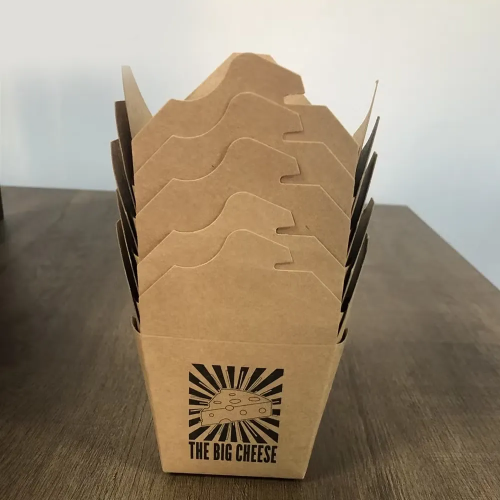
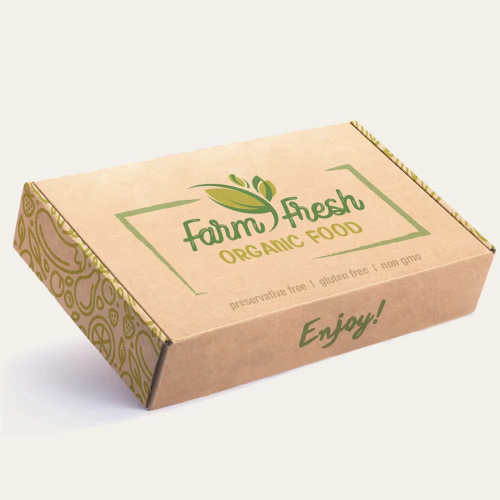
Kraft boxes have a particular look, unbleached, natural, and unpretentious, that works really well for certain brands. Food producers, artisan makers, and subscription services with an eco angle. The board prints cleanly in one or two colours and the whole thing is fully recyclable. Our Kraft packaging boxes are sturdier than people often expect, and they stack well.
Rigid Boxes
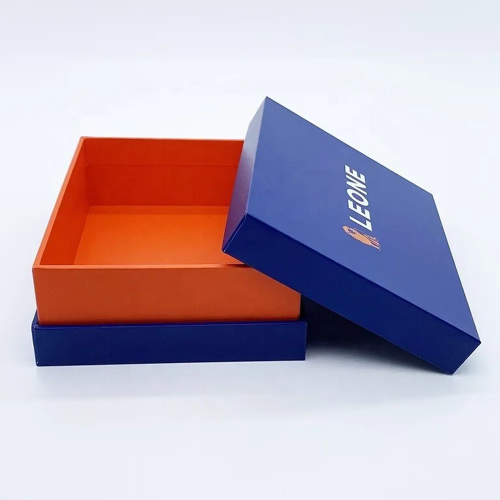
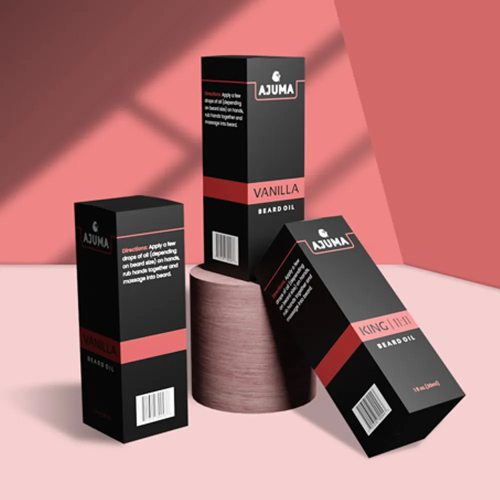
Rigid boxes don't flex. That's the point. If your packaging needs to carry foiling, embossing, spot UV, or a matte laminate finish and still hold its shape after being stacked and moved around, rigid board is the material. The unboxing experience is different from anything you get from a folding carton—the structure feels intentional. Our Luxury Rigid Boxes are used by gifting brands, premium cosmetics, and subscription services, where the box itself is part of what the customer is paying for.
Plastic Stackable Storage Boxes
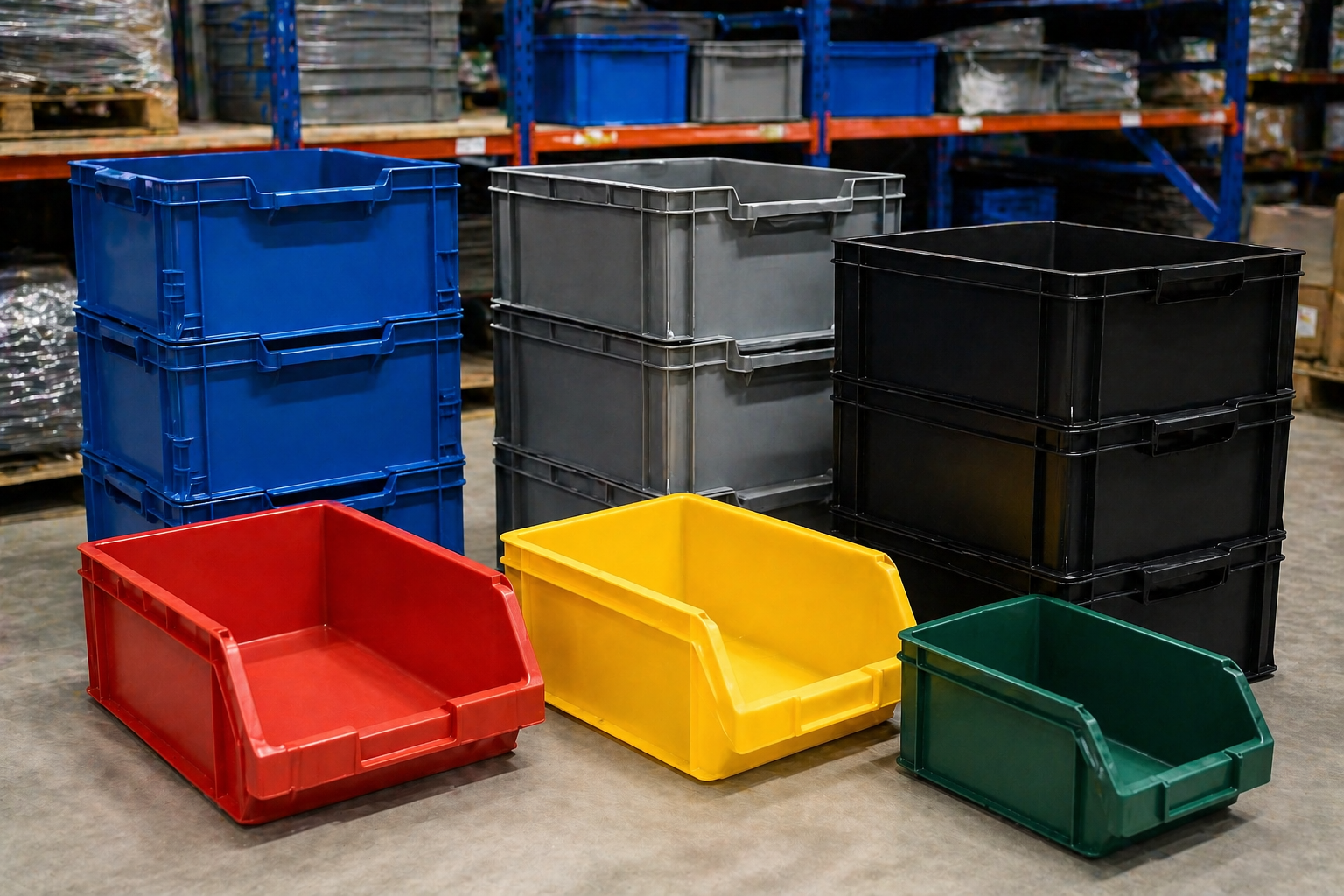
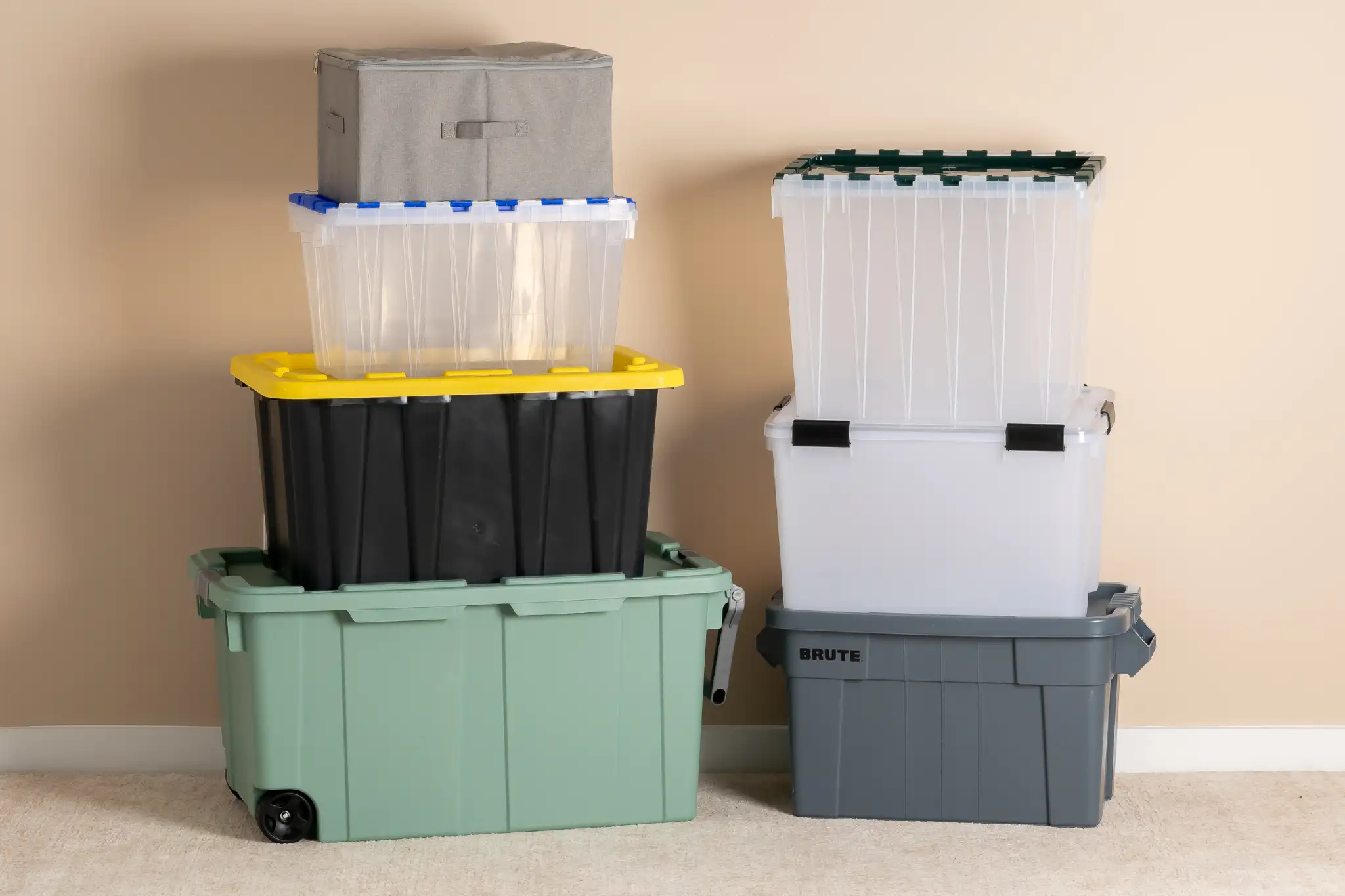
A different category includes plastic stackable storage boxes, stackable plastic containers, and comparable plastic boxes. They are washable, reusable, and made for operational environments where cardboard would quickly deteriorate.
Clear stackable storage boxes specifically are popular in workshops, stockrooms, and food prep areas where you need to see what's inside quickly. For anything involving customer-facing branding, though, cardboard and corrugated are the better choice by some distance.
Where Stackable Storage Boxes Get Used
Stackable storage boxes show up across a wide range of industries, and the use cases are more varied than most people expect.
- Retail: Retail boxes built to stack are the foundation of most floor-standing and shelf display systems you see across UK high streets. Open-front stacks, in particular, no unpacking, product facing out, and branding visible. Our Retail boxes are designed to be shelf-ready on arrival, which means less time spent on merchandising when a new delivery comes in.
- E-Commerce and Fulfillment: Consistent box sizing in a stackable format makes a genuine operational difference. Pallets pack cleaner, pick-and-pack runs faster, and there are fewer damaged units. Corrugated shipping boxes with exterior print also do quite a branding work. Your logo on the outside of a dispatch box is the first thing the customer physically handles.
- Cosmetics and Beauty: Open-front retail stacks for browsing, rigid lid formats for gifting. The sector uses stackable storage boxes in both contexts. Our Cosmetic Boxes cover both requirements.
- Footwear: Stackable shoe storage boxes and tidy retail displays go hand in hand. Size printed on the end panel, stacked floor to ceiling, no additional hardware. The display essentially arranges itself once the format is right.
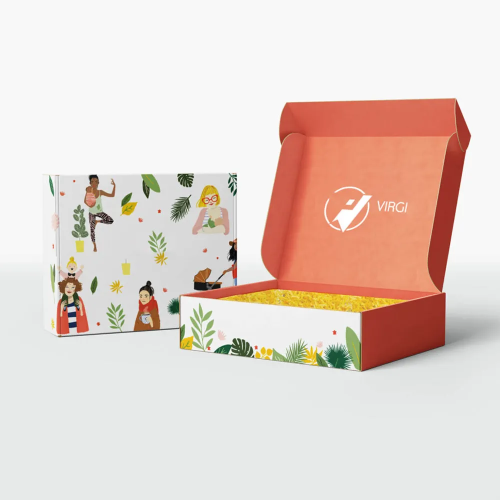
- Food and Subscription: Stackable food storage boxes need food-safe materials and the right structural spec for whatever's going inside. Our Food and Beverage packaging covers that, and our Subscription Boxes are built to handle transit while still delivering a decent unboxing experience at the other end.
Why Custom Packaging Pro UK
No minimum order. No die charges. No plate fees. Custom Packaging Pro UK produces custom stackable storage boxes to your exact specifications and ships them anywhere in the UK within 6–8 days — free.
Our design team handles everything from scratch if you need it, or works from your existing artwork. The full range is available: corrugated boxes, rigid boxes, Kraft boxes, open-front retail formats, stackable storage boxes with lids, storage stackable boxes for warehouse use. No hidden costs, no quantity that prices smaller businesses out.
Ready to save space and get your branding on every box? Get an instant quote or browse the full range.
Common Storage Mistakes You Should Avoid
Many storage issues come from poor packaging decisions rather than lack of space. Common mistakes are as follows:
- Using Weak Materials
- Ignoring Load Capacity
- Selecting Wrong Sizes
- Poor Moisture Protection
- Focusing Only On Low Cost
Final Considerations Before Ordering
Before placing an order, businesses should evaluate real-world usage conditions rather than focusing only on design or price. Key questions include:
- How Boxes Will Actually Be Stacked
- Managing Regularity
- Environment of Storage
- Requirements for Reuse
- Compatibility with Current Systems
Proper planning reduces long-term inefficiencies and product loss.
Choosing the Right Storage System for Your Business
Choosing the right storage system in 2026 is about improving the overall operation, not just saving space. Every detail, from warehouse efficiency to product safety and handling speed, is critical to long-term success.
Businesses that invest in well-structured packaging solutions are better able to reduce waste, improve organisation, and streamline daily operations.
For companies that require robustness, adaptability, and effective space management without sacrificing storage performance, Custom Packaging Pro UK's custom stackable storage boxes provide a useful and dependable solution.
Frequently Asked Questions
- What are stackable storage boxes used for?
They are used to organise inventory efficiently by enabling safe vertical stacking in warehouses and retail environments.
- Are cardboard boxes strong enough for stacking?
Yes, when made with corrugated or reinforced materials, they can support heavy load-bearing use.
- Which industries use stackable storage systems the most?
Retail, eCommerce, logistics, cosmetics, food, and manufacturing sectors commonly use them.
- What material is best for heavy storage?
Double-wall or triple-wall corrugated boards are usually used for heavier applications.
- Are stackable storage boxes recyclable?
The majority of cardboard-based solutions support sustainable packaging objectives and are recyclable.
- What's the difference between stackable and nestable storage boxes?
Stackable storage boxes are designed to carry weight on top when loaded. Stack & Nest storage boxes do that when full, and they also nest inside one another when empty, which saves a serious amount of space on return loads and in off-season storage.
- Can I order custom printed stackable storage boxes with no minimum?
Yes. Custom Packaging Pro UK has no minimum order quantity. Whether you need 50 boxes to test a new line or a full bulk run for ongoing fulfillment, you can order what you actually need.
- Are corrugated stackable boxes up to heavy products?
Yes. Corrugated boxes are specifically the right material for heavy or dense products being stacked multiple units high. Double-wall handles most commercial loads; triple-wall is there for anything industrial or particularly demanding.
- Which stackable storage boxes work best for retail shelf display?
Open-front stackable storage boxes are the standard retail choice. The product faces out, customers can browse without touching anything, and the branded stack does its own merchandising work.
- Which is better for my operation, plastic or cardboard?
Plastic stackable storage boxes are suitable when moisture resistance or frequent cleaning is required. For retail, e-commerce, and gifting, cardboard and corrugated materials print better, cost less in bulk, and are easier to recycle.
- How fast is delivery on custom stackable storage boxes?
Custom Packaging Pro UK turns around orders in 6–8 days with free UK shipping. No plate charges, no dye fees, and the same service regardless of order size.